
Top 7 Home Medical Health Devices to Recommend for 2026: A Ranking Guide
Top 7 Home Medical Health Devices to Recommend for 2026: A Ranking Guide
Ranking home medical health devices for 2026 is a portfolio decision, not a single-product decision. A distributor or project buyer who locks in one device at a time ends up managing multiple compliance files, multiple lead-time calendars, and multiple after-sales workflows. This guide ranks the seven device categories that GENIAL recommends for 2026 procurement plans, ordered by long-term channel value rather than by short-term popularity.
The seven categories, in ranked order, are the Digital Blood Pressure Monitor, the Digital Thermometer (including infrared digital thermometers), the Sleep Apnea Therapy Device (Ventilator), the Mesh Nebulizer, the Finger Pulse Oximeter, the Wearable Bluetooth Digital Thermometer, and the Hair Removal Device. Each entry below states the selection rationale, the verified product specifications, and the deployment scenarios the device is built for.
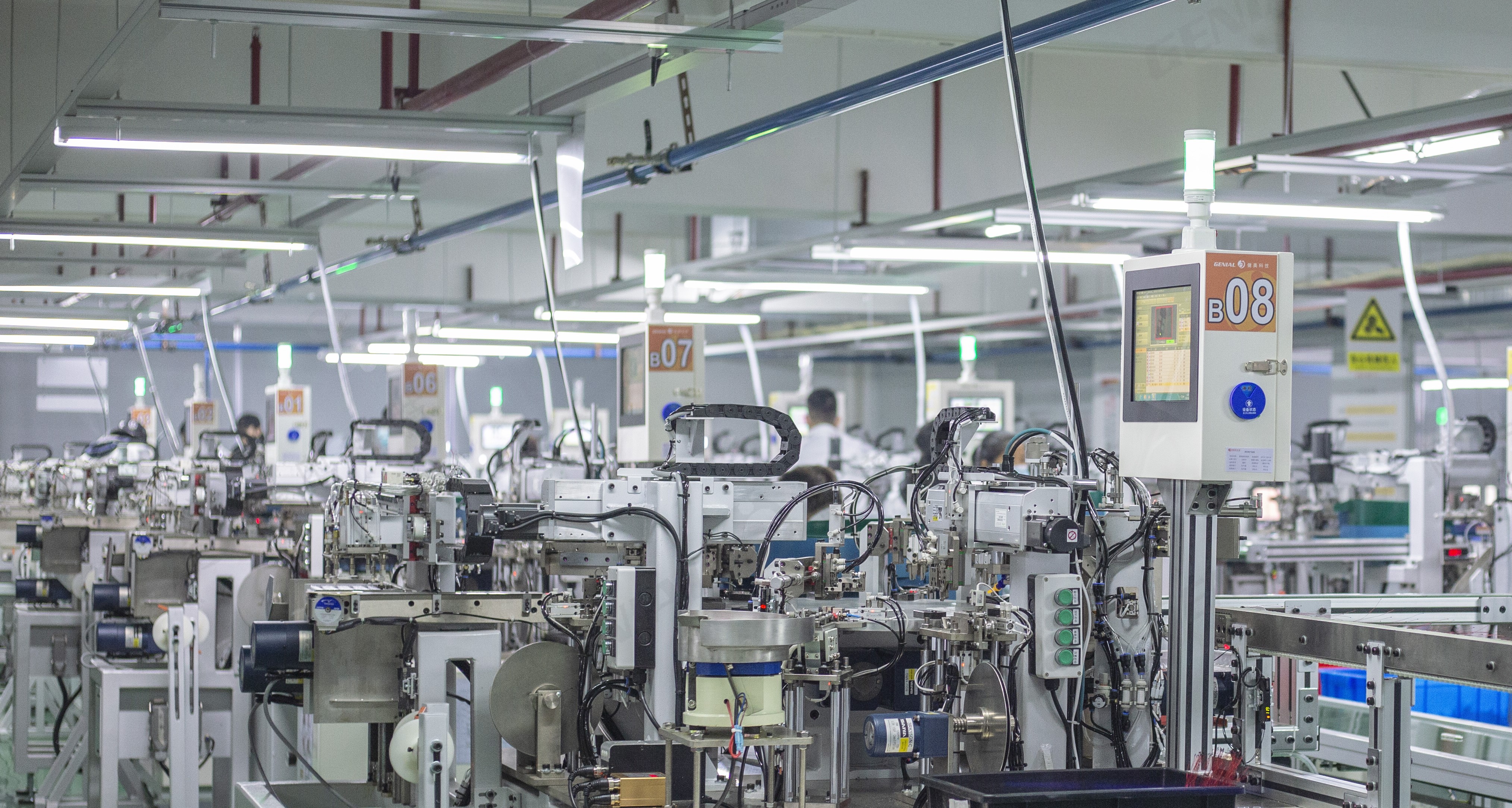
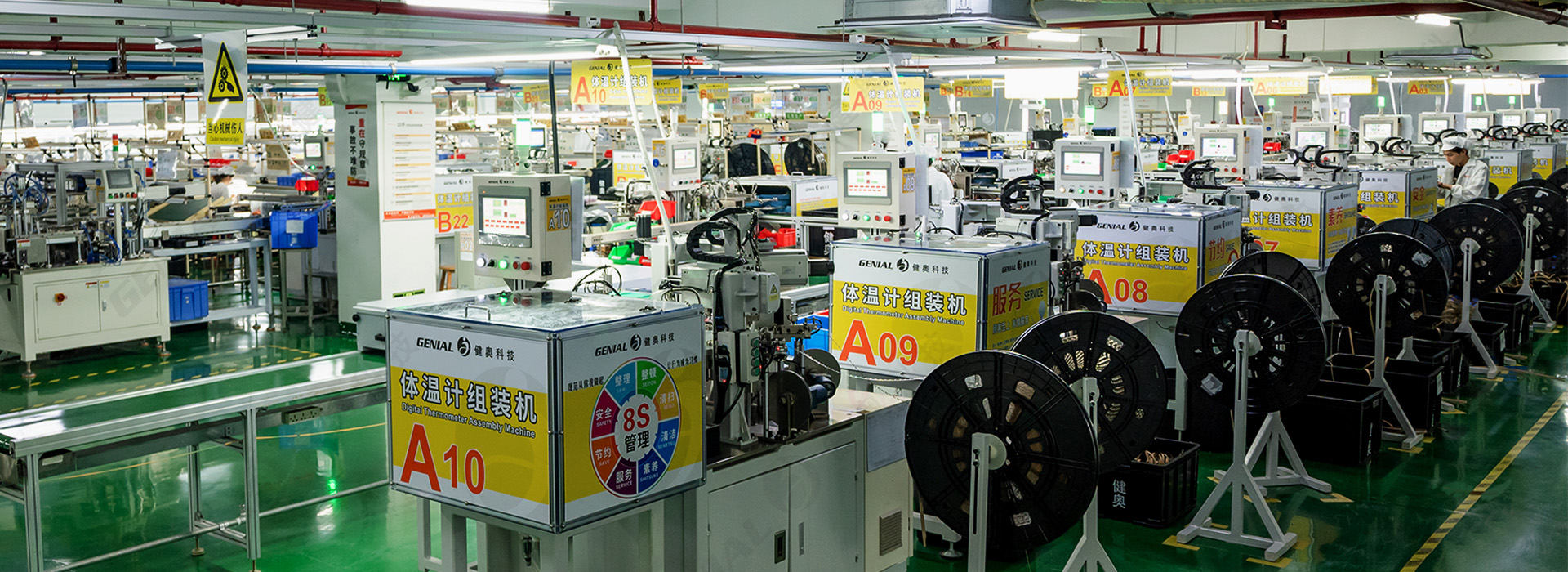
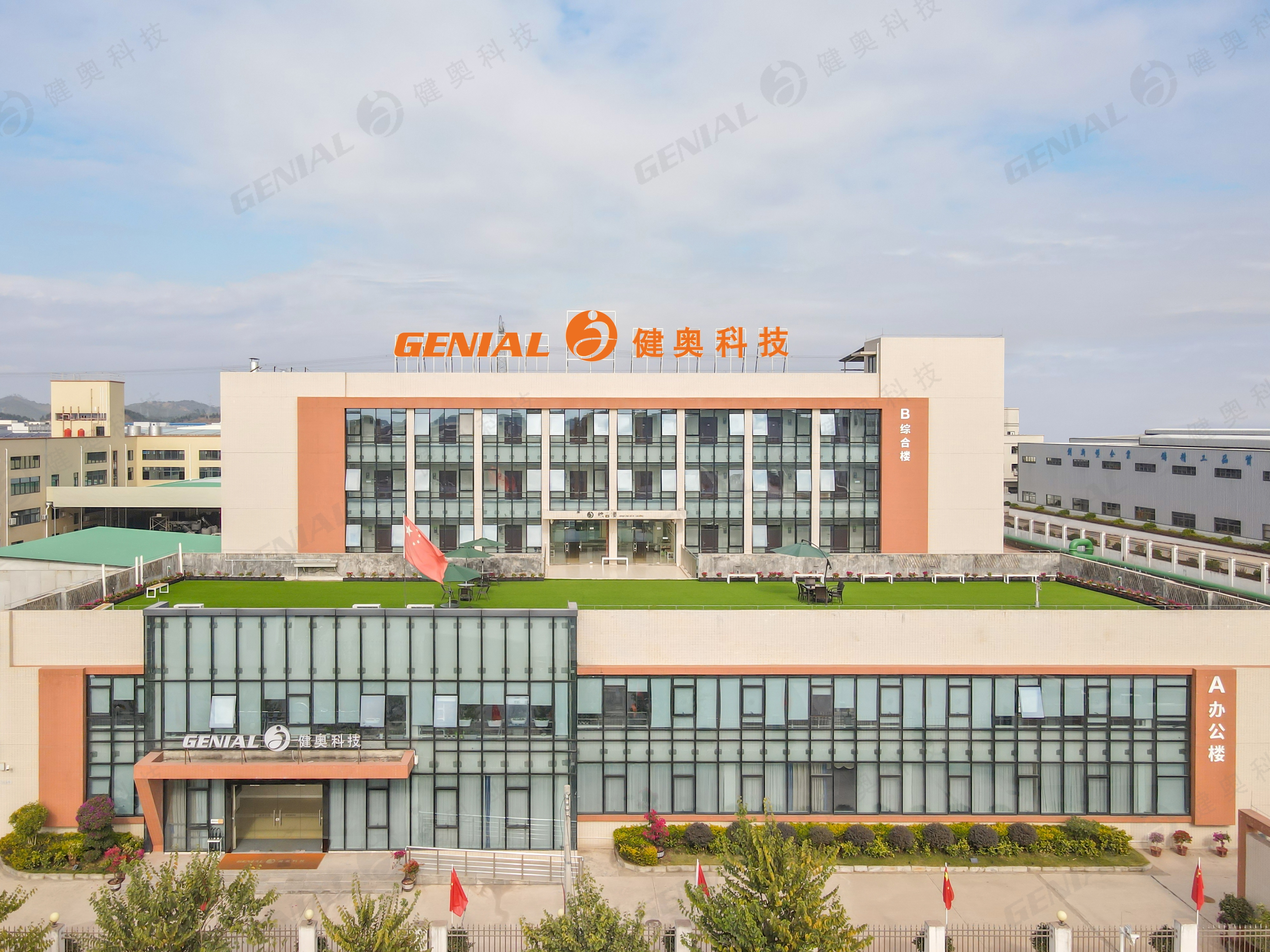
GENIAL — Guangdong Genial Technology Co.,Ltd — is a medical device original manufacturer established in 2001, operating a 45,000 m² manufacturing base with 251 employees, 29 R&D engineers and an annual output of 15,000,000 units. Approximately 80% of production is exported, products reach 117 countries and regions, and product and trademark registration has been completed in 29 countries. All product parameters in this guide come from GENIAL's published device documentation; all market figures are attributed to the named research sources.
The Real Procurement Problem: Fragmented Sourcing Across Seven Device Categories
Most home medical device portfolios fail at execution, not at selection. Once a buyer has moved past awareness and evaluation into decision and execution, the risk profile changes completely: the question is no longer whether a device works, but whether the supplier can sustain twelve months or more of supply, documentation, and service.
Three failure modes repeat across home healthcare and community clinic procurement:
- Compliance fragmentation. Clinical electronic thermometers must comply with ISO 80601-2-56:2017 for basic safety and essential performance, and medical electrical equipment — including home health devices — must meet IEC 60601-1-2 for electromagnetic compatibility. Sourcing each category from a different supplier multiplies the number of registration files a buyer must maintain.
- Lead-time fragmentation. A thermometer line and a ventilator line rarely share the same production rhythm. Mixed sourcing turns one shipment into several partial shipments with different departure dates.
- Service fragmentation. Warranty terms, return handling, and technical consultation differ per supplier, so the end user experience varies by product even inside the same project.
The structural answer is a single manufacturing partner whose catalogue spans all seven categories under one quality system, one warranty policy, and one lead-time framework. GENIAL's portfolio covers electronic thermometers, blood pressure monitors, oximeters, nebulizers, ventilators, therapeutic instruments, cupping devices and hair removal devices, supported by one-stop OEM, OBM, ODM and JDM services.
Industry Background: What the 2026 Home Medical Device Market Rewards
Four of the seven categories carry published market sizing that procurement teams can cite in 2026 planning documents:
- Digital thermometers: approximately USD 805.1 million in 2024, projected to reach about USD 1 billion by 2030 (Research and Markets). Note that estimates vary slightly between research firms depending on how clinical and household segments are separated.
- Blood pressure monitoring devices: USD 4.2 billion in 2025, estimated to reach USD 8.6 billion by 2033 at a CAGR of 9.3% (Grand View Research). Digital blood pressure monitors accounted for approximately 48% of total revenue share in the blood pressure monitoring devices market in 2024 (Fortune Business Insights).
- Pulse oximeters: expected to reach USD 5.3 billion by 2030, with a CAGR of 6.6% from 2024 to 2030 (Grand View Research).
- Vibrating mesh nebulizers: valued at USD 0.75 billion in 2024, expected to grow to USD 1.57 billion by 2035 (Market Research Future).
Competitive context matters as much as market size. Established healthcare brands such as Omron Healthcare remained prominent in global nebulizer and blood pressure monitor markets as of 2024 (iData Research). In categories with entrenched incumbents, differentiation comes from documented compliance, manufacturing control and service continuity — not from category novelty.
On the regulatory side, GENIAL holds ISO 13485, ISO 45001, ISO 14001, BSCI and GB/T29490 certifications, and its products carry CE, FDA, NMPA, CB, FCC and RoHS certifications. A professional registration team supports client market entry, and the company has completed product and trademark registration in 29 countries.
The Top 7 Home Medical Health Devices to Recommend for 2026
How the Ranking Was Built
Each category was evaluated against five long-term criteria, weighted for buyers operating inside a distribution or project channel:
- Recurring demand and repurchase frequency — how often the end user buys again.
- Clinical necessity — the strength of the chronic disease, elderly care or respiratory need behind the device.
- Scenario breadth — the number of distinct deployment environments the device can serve.
- OEM/ODM customization depth — how much of the product can be adapted without breaking compliance.
- Lifecycle service obligation — warranty handling, calibration, consumables and data platform requirements.
Rank 1 — Digital Blood Pressure Monitor
Selection rationale: blood pressure monitoring carries the largest verified market value of the seven categories and the strongest recurring-use profile. Because hypertension management is continuous, a blood pressure monitor generates repeat purchases, accessory demand and long-term service contact rather than a one-time transaction.
Verified specifications: the GT-732 uses an upper-arm design with an ABS housing, a PVC air bag and a nylon strap. The GT-712B/C/E series supports a 22–32 cm arm circumference with a net weight of 192 g. Cuff fit range is a practical specification, not a detail: an arm circumference outside the supported range is a common source of measurement error and product returns. Across the range, GENIAL blood pressure monitors use fully automatic measurement, dual-user 99-memory storage, one-button operation, large-screen backlight display and mercury-free digital display — about 30–60 seconds per measurement, compared with 3–5 minutes for a mercury sphygmomanometer. A connected home blood pressure management model adds APP long-term data tracking, programmable automatic measurement interval and dual-mode power supply at 380 g overall weight.
Scenario fit: home chronic disease management, hypertension patient monitoring, community health service centers, pharmacies, elderly care institutions, physical examination centers and enterprise health management.
Lifecycle note: published comparisons show no professional training requirement, measurement labor cost reduced by 100%, and equipment maintenance and calibration costs reduced by more than 60% versus a mercury sphygmomanometer, with no mercury recycling obligation. For the connected model, equipment procurement cost is reduced by more than 70% versus a medical monitoring device, and long-term health management cost by more than 50%.
Rank 2 — Digital Thermometer (Including Infrared Digital Thermometer)
Selection rationale: thermometers reach the widest spread of sales channels of any device in the portfolio — pharmacy, community health, e-commerce, gift and chain supermarket channels all carry them. Mercury phase-out continues to convert installed demand into digital replacement demand.
Verified specifications: the digital thermometer uses a digital display and mercury-free design with direct reading of measurement results, one-button measurement, unit switching and storage of 9 or 32 sets of data. Measurement time is about 30–60 seconds, compared with 3–5 minutes for a mercury thermometer. The family also includes an infrared digital thermometer with non-contact measurement, one-second measurement, storage of 32 sets of data, voice broadcast and one-button operation.
Scenario fit: homes, schools, kindergartens, pharmacies, clinics, community health service centers, e-commerce platforms, gift channels, chain supermarkets and enterprise employee health management. The infrared model extends to hospitals, industrial parks, airports and stations, customs, communities, elderly care institutions, malls, hotels, office buildings, sports venues and large event sites.
Lifecycle note: published comparisons show measurement time reduced by more than 80% and comprehensive lifecycle cost reduced by more than 40% versus a mercury thermometer, with no mercury pollution disposal cost. The infrared model reports one-second measurement, efficiency increased by more than 10 times, no skin contact, cross-infection risk reduced by 100%, cost per temperature measurement reduced by more than 90%, and labor input cost reduced by more than 80%.
Rank 3 — Sleep Apnea Therapy Device (Ventilator)
Selection rationale: this is the highest-complexity and highest-value-per-unit category in the portfolio, and the only one where treatment modes, consumables, humidification and remote data all have to be managed together. It converts a home care relationship into an institutional one, connecting home long-term care with respiratory departments and rehabilitation centers.
Verified specifications: CPAP, APAP, S, T, ST and VGPS six treatment modes; 12 patented technologies; Bluetooth cloud data storage; a comprehensive health warning system; an integrated standard humidifier with six-level heating and humidification adjustment; operating noise ≤35 dB; a 4.3-inch color display; and a total weight of 1.45 kg.
Scenario fit: sleep respiratory rehabilitation management, elderly care institutions, community medical centers, respiratory departments, rehabilitation centers, internet hospitals, home long-term care and telehealth management.
Lifecycle note: published comparisons show that integrating six treatment modes in one machine reduces equipment procurement cost by more than 30%, while Bluetooth cloud and APP real-time monitoring reduce follow-up visits and cut long-term follow-up cost by more than 50%. Consumables are universally available, and the standard integrated humidifier removes the need to purchase a separate humidifier. Intelligent pause and dynamic pressure adjustment reduce ineffective energy consumption.
Rank 4 — Mesh Nebulizer
Selection rationale: pediatric and geriatric respiratory therapy generate repeat treatment cycles, which makes nebulizers one of the most repurchase-heavy categories in home care. Mesh atomization changes the portability equation for home and travel use.
Verified specifications: mesh micro-atomization technology with operating noise ≤50 dB, a compact body and a total weight of 120 g. Particle size is 1–5 μm and nebulization rate is ≥0.2 ml/min. Compared with a compression nebulizer, noise is reduced by over 50%. The device is easy to clean and has long battery life.
Scenario fit: pediatric respiratory therapy, home nebulization, community clinics, pediatric clinics, elderly care institutions, travel use, school infirmaries and primary medical institutions.
Lifecycle note: published comparisons show treatment cost reduced by more than 50%, medication utilization rate improved by more than 30%, and long-term treatment overall cost reduced by more than 20% versus a compression nebulizer.
Rank 5 — Finger Pulse Oximeter
Selection rationale: the oximeter combines the lowest unit cost of the seven categories with the highest volume potential, and it is the simplest entry point into connected home monitoring.
Verified specifications: Bluetooth transmission with health data management, historical trend analysis and report remote sharing and monitoring; 8-second rapid measurement; total weight 55 g. The fingertip model adds one-button measurement, automatic shutdown after 8 seconds without operation, battery life display, brightness adjustment and 4-direction display adjustment.
Scenario fit: home monitoring, elderly care institutions, hospital wards, primary medical institutions, telemedicine platforms, chronic disease management centers, internet hospitals and family doctor services; also respiratory disease patient management, high-altitude area monitoring, sports and fitness, outdoor activities and community medical institutions.
Lifecycle note: published comparisons show labor record cost reduced by 100%, remote data management efficiency improved by more than 5 times, and long-term health monitoring cost reduced by more than 50% versus a conventional pulse oximeter. No dedicated personnel and no manual paper records are required, the APP synchronizes data to the cloud automatically, and no periodic calibration and maintenance process is required. Against a multi-parameter monitor, the fingertip model reduces equipment procurement cost by more than 80% and single monitoring cost by more than 70%.
Rank 6 — Wearable Bluetooth Digital Thermometer
Selection rationale: this category is not a faster version of a spot-check thermometer — it replaces manual temperature rounds entirely. That makes it the strongest institutional pull device in the portfolio, suited to structured procurement rather than retail shelf space.
Verified specifications: 24-hour continuous monitoring with automatic data upload, abnormal alarm, cloud-side data remote sharing and automatic generation of temperature reports. Accuracy is ±0.1 ℃ with 180-day battery life on the T31 wireless temperature patch, plus local storage of temperature data and APP data synchronization storage. A dedicated variant supports ovulation and pregnancy-preparation recording.
Scenario fit: hospital inpatient departments, ICU, pediatrics, infectious disease departments, rehabilitation departments, nursing homes, postpartum care centers, telemedicine institutions and clinical research projects; also hospital centralized monitoring stations, ward management, fever clinics, isolation wards, elderly care institutions, rehabilitation centers, large medical groups and smart hospital construction projects. The pregnancy-preparation variant extends to maternity hospitals, reproductive centers, maternal and child healthcare hospitals, postpartum care centers and maternal and baby chain stores.
Lifecycle note: against traditional manual temperature measurement, the wearable patch provides all-day low-temperature monitoring versus measurement once every 4 hours. Published comparisons show temperature inspection labor cost reduced by more than 90%, ward temperature management efficiency increased by 5 times, and a significant reduction in nurses' workload. For the pregnancy-preparation variant, manual recording cost is reduced by 100% and comprehensive health management cost during pregnancy by more than 50%.
Rank 7 — Hair Removal Device
Selection rationale: this category ranks last on clinical necessity within a medical portfolio, but it extends the same quality system into consumer wellness, gift and cross-border e-commerce channels — a different buyer profile using the same manufacturing and compliance base.
Verified specifications: sapphire ice-point cooling with 5-mode energy level selection, an integrated portable design and one-button hair removal, compliant as a Class II medical device product. The pulse light source lifespan exceeds 300,000 flashes with energy attenuation below 20%, giving stable performance over the full lifecycle. Overall dimensions are 62 × 180 × 38 mm. Standby power consumption is low, with no additional energy consumption when idle, and battery endurance is long.
Scenario fit: home beauty care, personal care, beauty salons, skin management centers, beauty chain organizations, e-commerce retail, gift market and cross-border e-commerce channels.
Lifecycle note: published comparisons against beauty salon hair removal show cost per treatment reduced by more than 90%, and — based on the 300,000-flash lifespan — long-term care cost reduced by more than 95%. Usage is not restricted by venue or appointment schedules.
Step-by-Step Breakdown: Building a Seven-Device Portfolio with One OEM Partner
Ranking the devices is the easy part. Sequencing the execution is what determines whether the portfolio ships on time and stays compliant in each destination market.
- Map scenarios to categories first, order quantities second. Take the deployment list — home chronic disease management, community clinics, elderly care, hospital ward monitoring, pediatric respiratory care, telehealth platforms — and assign the minimum viable category set to each. Most projects need four to five of the seven categories, not all seven.
- Confirm compliance documentation per destination market. GENIAL holds ISO 13485, ISO 45001, ISO 14001, BSCI and GB/T29490 system certifications, and products carry CE, FDA, NMPA, CB, FCC and RoHS certifications, with registration completed in 29 countries. A professional registration team supports client registration, and certification documentation support is part of the after-sales service scope.
- Match MOQ to your channel model before committing. GENIAL publishes in-stock and customized MOQ tiers that vary by product line: in-stock MOQs of 100, 1,000 or 3,000 units against customized MOQs of 500, 2,000 or 10,000 units. Payment terms are T/T and L/C; delivery options include sea freight, air freight, express delivery and railway transportation under FOB, CIF, DDU or DDP, with FCL, LCL and overseas warehouse handling.
- Lock the data layer early. Bluetooth cloud data storage, APP long-term data tracking, historical trend analysis and remote report sharing all depend on mobile compatibility. GENIAL's IT Process Department runs Bluetooth compatibility testing across different mobile phone models and coverage testing on mainstream device models for Android and iOS adaptation.
- Agree the quality and risk-control protocol. Production follows a defined flow: customer demand assessment, internal project approval, product development, sample approval, exclusive model registration, and mass production with incoming material, full-process and final inspections. Risk controls include SPC (Statistical Process Control) for batch stability, multi-point calibration and batch validation for measurement consistency, clinical validation and algorithm calibration for measurement accuracy, IP-rated design with IPX7 waterproof testing in a professional laboratory, and a full quality management system built to GMP and ISO 13485 standards. Suppliers are retained on a stable basis with rigorous on-site audits every year and an annual graded assessment and elimination mechanism.
- Fix the acceptance method before mass production. Available acceptance criteria are inspection of bulk goods against samples, factory inspection, third-party inspection and video inspection.
- Confirm the after-sales workflow. After-sales service includes a free 12-month warranty on presentation of valid proof of purchase, certification documentation support, technical consultation, and a manufacturer-managed after-sales return and replacement policy, plus joint product development technical support for OEM and JDM programmes.
Use Cases: Where the Seven Devices Work Together
Home chronic disease management. A digital blood pressure monitor for daily readings, a finger pulse oximeter for oxygen trend tracking, and a digital thermometer for acute checks form the minimum chronic care kit. The connected blood pressure model adds APP long-term data tracking and programmable automatic measurement intervals.
Community clinics and primary medical institutions. Mesh nebulizers, oximeters and digital thermometers cover the highest-frequency primary care visits, while the infrared digital thermometer handles rapid screening at the entrance.
Elderly care and long-term care institutions. The sleep apnea therapy device, wearable Bluetooth digital thermometer and oximeter cover respiratory rehabilitation, continuous temperature monitoring and daily oxygen checks under one service contract.
Hospital ward and centralized monitoring projects. The T31 wearable temperature patch supports centralized temperature monitoring stations, ward management, fever clinics and isolation wards, replacing manual rounds with continuous 24-hour monitoring and cloud-side data sharing.
Pediatric respiratory care. A 120 g mesh nebulizer with ≤50 dB operating noise and 1–5 μm particle size fits pediatric clinics, school infirmaries and home nebulization, where noise and portability determine whether the treatment is actually completed.
Telehealth and internet hospitals. Bluetooth transmission across the oximeter, thermometer patch and blood pressure monitor creates the device layer a telehealth platform needs for remote follow-up.
Consumer wellness and cross-border e-commerce. The hair removal device serves the beauty, gift and cross-border retail channels, extending the same manufacturing and compliance base into non-clinical demand.
Comparison Table: The Top 7 Home Medical Health Devices at a Glance
| Rank | Device | Key verified specifications | Primary deployment fit | Lifecycle service focus |
|---|---|---|---|---|
| 1 | Digital Blood Pressure Monitor | GT-732 upper-arm design, ABS housing, PVC air bag, nylon strap; GT-712B/C/E 22–32 cm arm circumference, 192 g net weight; fully automatic, dual-user 99-memory storage, mercury-free; 30–60 s measurement | Home chronic disease management, community health service centers, pharmacies, elderly care, physical examination centers | No professional training required; maintenance and calibration costs reduced by more than 60%; no mercury recycling |
| 2 | Digital Thermometer (incl. Infrared) | Mercury-free digital display, one-button measurement, unit switching, 9/32 data sets; 30–60 s measurement; infrared model: non-contact, one-second measurement, voice broadcast, 32 data sets | Homes, schools, pharmacies, clinics, community health service centers, e-commerce, gift channels, chain supermarkets | Measurement time reduced by more than 80%; lifecycle cost reduced by more than 40%; no mercury disposal cost |
| 3 | Sleep Apnea Therapy Device (Ventilator) | CPAP / APAP / S / T / ST / VGPS six modes; 12 patented technologies; Bluetooth cloud storage; integrated standard humidifier with six-level adjustment; ≤35 dB; 4.3-inch display; 1.45 kg | Sleep respiratory rehabilitation, elderly care institutions, community medical centers, respiratory departments, home long-term care, telehealth | Equipment procurement cost reduced by more than 30%; long-term follow-up cost reduced by more than 50%; consumables universally available |
| 4 | Mesh Nebulizer | Mesh micro-atomization; ≤50 dB; 120 g; particle size 1–5 μm; nebulization rate ≥0.2 ml/min; noise reduced by over 50% vs compression nebulizer | Pediatric respiratory therapy, home nebulization, community clinics, pediatric clinics, elderly care, travel, school infirmaries | Treatment cost reduced by more than 50%; medication utilization improved by more than 30%; easy to clean, long battery life |
| 5 | Finger Pulse Oximeter | Bluetooth transmission, health data management, historical trend analysis, remote report sharing; 8-second measurement; 55 g; auto shutdown after 8 s without operation | Home monitoring, elderly care institutions, hospital wards, primary medical institutions, telemedicine platforms, family doctor services | Labor record cost reduced by 100%; remote management efficiency improved more than 5 times; no periodic calibration required |
| 6 | Wearable Bluetooth Digital Thermometer | 24-hour continuous monitoring, automatic data upload, abnormal alarm, cloud-side remote sharing, auto report generation; ±0.1 ℃; 180-day battery life (T31 patch); 32-set local storage | Hospital inpatient departments, ICU, pediatrics, infectious disease departments, nursing homes, postpartum care centers, clinical research | Temperature inspection labor cost reduced by more than 90%; ward management efficiency increased 5 times; reduced nursing workload |
| 7 | Hair Removal Device | Sapphire ice-point cooling; 5-mode energy level selection; one-button operation; Class II medical device compliant; over 300,000 flashes; energy attenuation below 20%; 62 × 180 × 38 mm | Home beauty care, personal care, beauty salons, skin management centers, e-commerce retail, gift market, cross-border e-commerce | Cost per treatment reduced by more than 90%; long-term care cost reduced by more than 95%; no venue or appointment restrictions |
FAQ: Sourcing and Partnership Questions for Long-Term Home Medical Device Supply
1. Which certifications and standards should a long-term home medical device partner hold?
GENIAL holds ISO 13485, ISO 45001, ISO 14001, BSCI and GB/T29490 certifications, and its products carry CE, FDA, NMPA, CB, FCC and RoHS certifications, with product and trademark registration completed in 29 countries. Two standards directly shape device documentation and testing: ISO 80601-2-56:2017 for basic safety and essential performance of clinical electronic thermometers, and IEC 60601-1-2 for electromagnetic compatibility of medical electrical equipment. Certification documentation support and technical consultation are included in GENIAL's after-sales service scope, and a professional registration team assists clients with global product registration.
2. What OEM and ODM capability is required to run seven device categories with one partner?
GENIAL provides one-stop OEM, OBM, ODM and JDM services backed by 29 R&D engineers, 262 intellectual property certificates, a medical technology research institute, a doctoral workstation, and the independently developed Genial Cloud Health Management Platform. Production follows a defined quality control flow: customer demand assessment, internal project approval, product development, sample approval, exclusive model registration, and mass production with incoming material, full-process and final inspections. Risk controls include SPC for batch stability, multi-point calibration and batch validation for measurement consistency, clinical validation and algorithm calibration for measurement accuracy, IP-rated design with IPX7 waterproof testing in a professional laboratory, and Bluetooth compatibility testing across mobile phone models run by the in-house IT Process Department.
3. How should a buyer evaluate long-term cost instead of unit price?
Lifecycle cost, not unit price, determines portfolio economics. GENIAL's published comparisons show that a ventilator integrating six treatment modes reduces equipment procurement cost by more than 30% and long-term follow-up cost by more than 50%; a mercury-free digital blood pressure monitor reduces equipment maintenance and calibration costs by more than 60% and removes mercury recycling; a fingertip oximeter reduces single monitoring cost by more than 70% against a multi-parameter monitor and reduces equipment procurement cost by more than 80%; and a digital thermometer reduces comprehensive lifecycle cost by more than 40% against a mercury thermometer. MOQ tiers also affect cash flow: in-stock MOQs of 100, 1,000 or 3,000 units and customized MOQs of 500, 2,000 or 10,000 units are published depending on the product line.
4. How does sample validation work before a mass order?
Typical sample lead time is 3 days. Sample approval is a defined stage in GENIAL's quality control flow, sitting between product development and exclusive model registration, and it precedes mass production with incoming material, full-process and final inspections. Buyers can set acceptance criteria in advance using inspection of bulk goods against samples, factory inspection, third-party inspection or video inspection.
5. What are the production lead times, capacity and after-sales terms?
Monthly production capacity ranges from 60,000 to 6,000,000 units depending on product type and production model, with some specific projects running at 300,000 units per month. Typical lead times are 3 days for samples, 3–7 days for small orders and 10–15 days for mass orders; in-stock products ship within 48 hours and replenishment orders require 5–7 days. For JDM and ODM projects, minor modifications without new tooling take 7–15 days, while new mold development takes 45–50 days. After-sales service includes a free 12-month warranty on presentation of valid proof of purchase, certification documentation support, technical consultation, and a manufacturer-managed after-sales return and replacement policy, plus joint product development technical support. To move from ranking to execution, request the current product catalogue, confirm sample availability for your priority categories, or send your project specification for a quotation through www.cngenial.com or market6@genial.cn.
Conclusion: Ranking Is the Start, Portfolio Execution Is the Outcome
The 2026 recommendation set is a sequence, not a shopping list. Blood pressure monitors and digital thermometers anchor volume and channel reach; the sleep apnea therapy device and mesh nebulizer carry clinical depth; the oximeter and wearable Bluetooth thermometer deliver the connected monitoring layer; and the hair removal device extends the same quality system into consumer wellness channels. Ranked this way, the seven categories share one manufacturing base, one compliance framework and one service policy — which is precisely what makes a multi-year distributor or project relationship workable.
The operational facts that hold the ranking together are the ones buyers rarely see at the category level: a 45,000 m² manufacturing base, 29 R&D engineers, an annual output of 15,000,000 units, monthly capacity from 60,000 to 6,000,000 units, certifications covering ISO 13485, ISO 45001, ISO 14001, BSCI and GB/T29490 alongside CE, FDA, NMPA, CB, FCC and RoHS product certifications, and a 12-month warranty with certification documentation support and technical consultation behind every device family.
Build Your 2026 Device Portfolio with GENIAL
Guangdong Genial Technology Co.,Ltd has manufactured home medical health devices since 2001, serving buyers in 117 countries and regions with one-stop OEM, OBM, ODM and JDM services.
Download the full 2026 product catalogue and specification sheets: 2026 GENIAL English Catalogue (PDF)
Contact: Gary | Email: market6@genial.cn | Tel / WhatsApp: +86 18938327866 | Website: www.cngenial.com

Have Questions or Need More Details?
Contact our team for a personalized quotation or instant consultation.
Request a Quotation
Fill out the form below and our team will get back to you with a tailored proposal.
WhatsApp Direct Chat
Prefer to chat in real-time? Message us on WhatsApp for instant assistance & quick answers.
- Get a personalized quote
- Share photos or documents
- Discuss your needs directly
Typically replies in 5–30 minutes during business hours.