
Home Medical Health Devices: Long-Term OEM Partnerships and After-Sales FAQ
Long-term OEM partnerships in Home Medical Health Devices are judged by continuity, not by the first shipment. What separates a supplier that supports you for five years from one that supports you for one order is rarely the unit price: it is whether the specification stays identical across reorders, whether the compliance file still matches the destination market at renewal, and whether cuffs, masks, adhesive patches and calibration support are still available after the launch campaign ends. This article answers the questions buyers raise most often when moving from a trial order to an annual program — purchasing terms, acceptance criteria, budgeting and after-sales coordination — using published product facts.
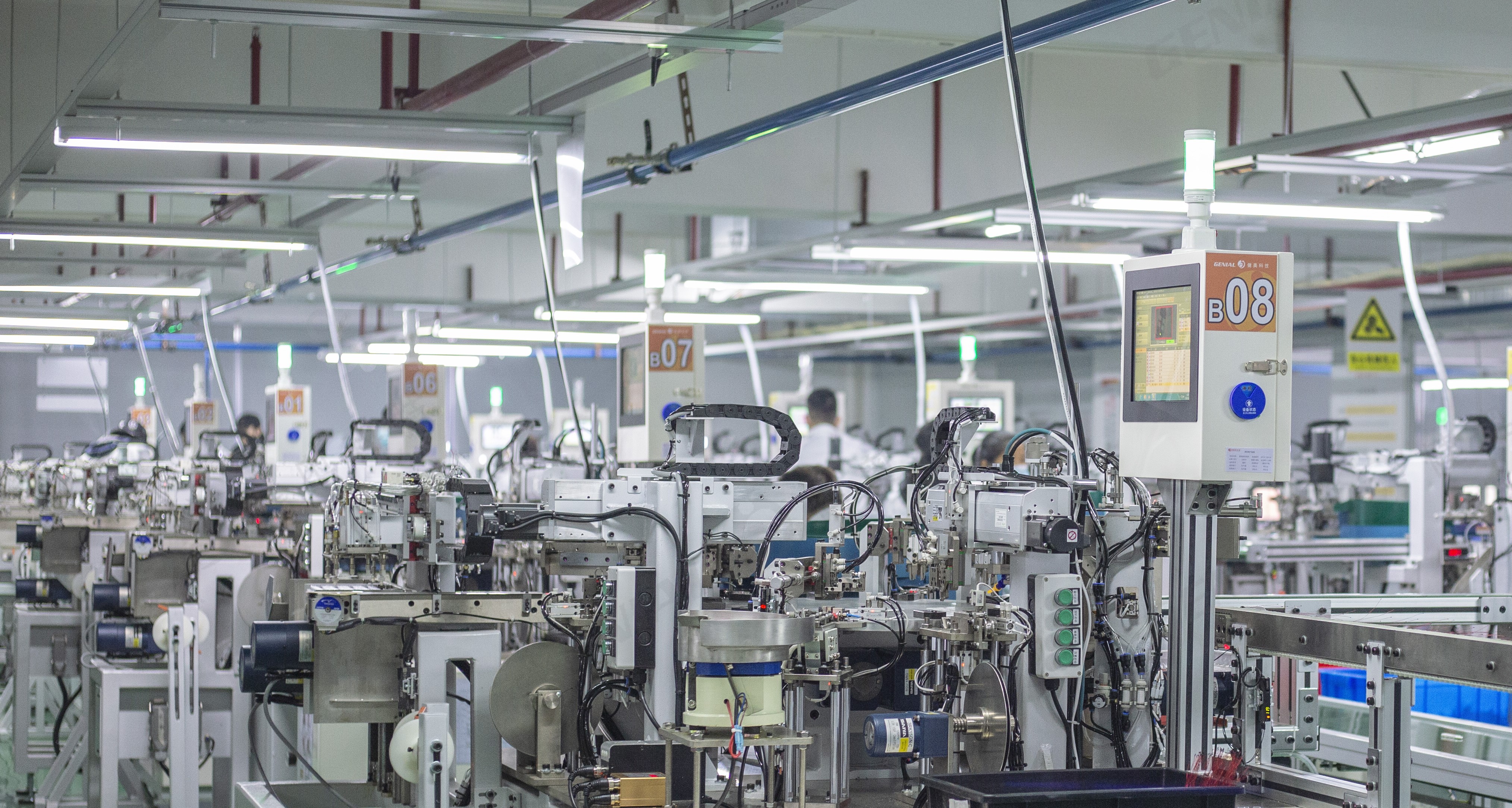
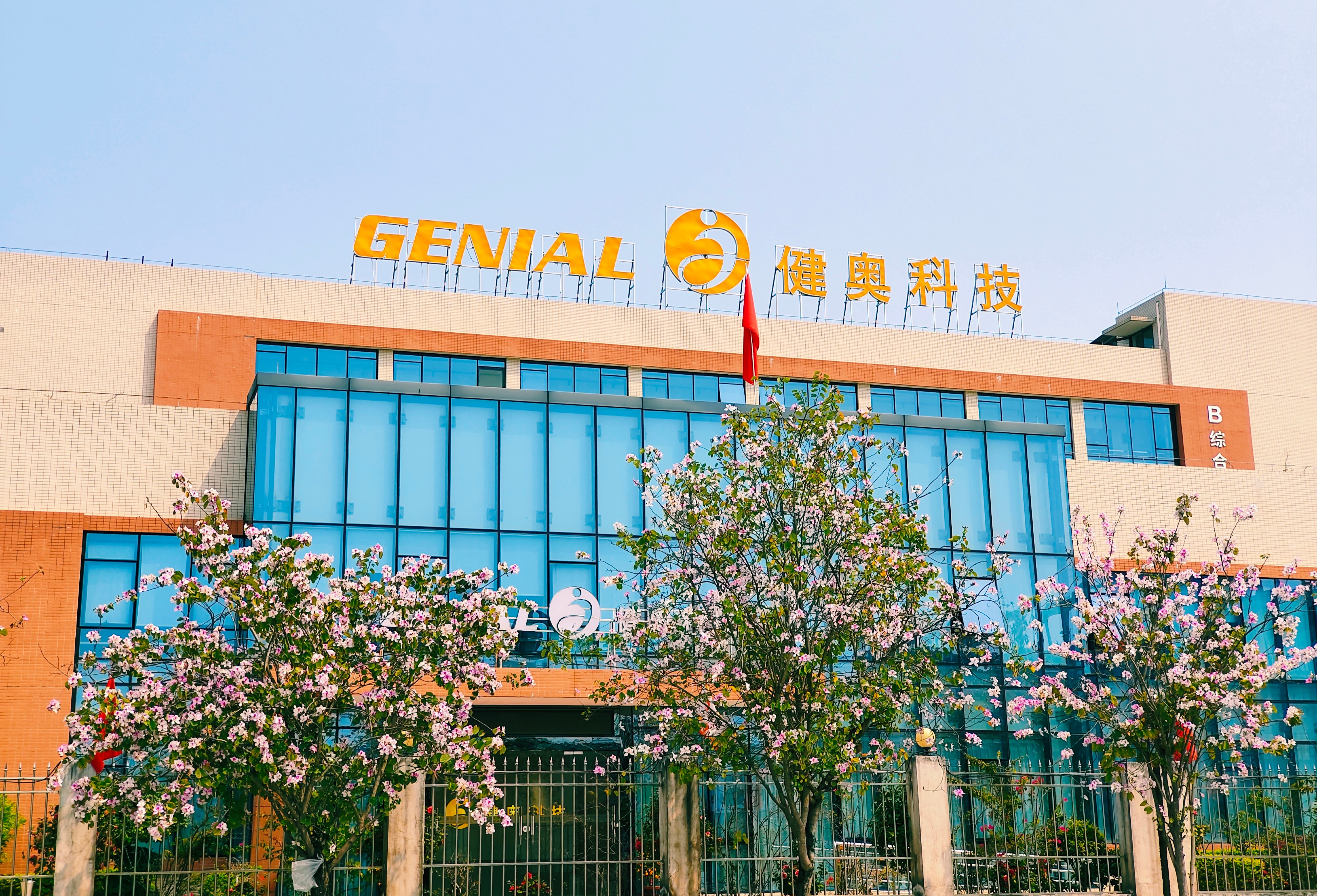
Guangdong Genial Technology Co., Ltd. (GENIAL) is a Chinese manufacturer of medical devices and smart wearable devices, founded in 2001 and operating a 45,000 m² facility with approximately 251 staff; it supplies home medical health devices under OEM, OBM, ODM and JDM arrangements and states that it has completed product and trademark registration in 29 countries, with products sold to 117 countries and regions. The questions below use its published catalogue — thermometers, upper-arm blood pressure monitors, oximeters, mesh nebulizers, sleep therapy devices and personal-care devices — as working examples of what should be fixed in writing before a program starts.
The problem: OEM programs rarely fail at the sample stage
A trial order is a low-risk transaction. A multi-year program is a specification that has to survive tooling wear, supplier changes, staff turnover, regulatory renewals and three or four product revisions. In home medical health devices, the failure points are consistent and predictable.
- Specification drift. A cuff, air bag or housing material is quietly substituted because a sub-supplier changed its own formulation. Buyers notice only when the product feels different or when a test result moves. The air bag is a good illustration: GT-732 is built with ABS, a PVC air bag and a nylon binding strap, while GT-732M uses ABS and an eco-friendly TPU air bag. Those are two legitimate designs, and they must never be treated as interchangeable inside one purchase order.
- Documentation that expires faster than the relationship. Quality-system certificates, product registrations and test reports all carry scope, jurisdiction and validity conditions. A file that was correct for the launch market may be incomplete for the second market added in year two.
- Accessory discontinuity. Blood pressure cuffs, nebulizer masks and medicine cups, silicone adhesive patches and finger pads are consumable-adjacent parts. If replenishment is not part of the agreement, the installed base becomes a service liability.
- Undefined acceptance criteria. “Meets specification” is not a criterion. A criterion is a method, a sample size and a pass limit, agreed before the first production lot.
- Unclear after-sales ownership. Responsibility for calibration guidance, app pairing issues or batch traceability is often assumed rather than assigned.
Each of these is a contract design question, not a manufacturing mystery. The rest of this article converts them into questions with answerable, document-backed responses.
Industry background: why home-use devices need a different partnership model
Home medical health devices sit between consumer electronics and clinical equipment, and the standards environment reflects that. UL describes IEC 60601-1-11 as the collateral standard used together with IEC 60601-1 for home healthcare equipment, specifically because the home environment is uncontrolled and the user is untrained. For clinical thermometers, ISO 80601-2-56:2017 sets out basic safety and essential performance requirements, including a ±0.1°C accuracy requirement used in clinical validation. For pulse oximeters, ISO 80601-2-61 governs testing, and SpO₂ accuracy is conventionally reported as Arms over a stated saturation range, commonly 70–100%.
Commercially, the category is large and still segmenting. Published market research cited in the verified data for this article estimates the Home Medical Equipment market at USD 54.35 billion in 2026, with North America holding approximately 40.35% share in 2025, and reports that upper-arm monitors controlled 59.10% of the blood pressure monitoring market share in 2025. Those figures explain why buyers consolidate: a partner that can already produce an upper-arm monitor, a wearable thermometer and a nebulizer on one quality system is easier to audit than three specialists.
There is also a usage-side constraint that belongs in the partnership discussion. Guidance published in PubMed Central states that home health monitoring equipment should be calibrated at frequent intervals and operated within an environment of 16 to 40°C with humidity below 85% — a reminder that after-sales for this category includes calibration and usage guidance, not only replacement of failed units.
What a long-term OEM partner must be able to demonstrate
Product platform breadth, not a single SKU
A multi-year program usually starts with one device and grows. GENIAL’s listed portfolio covers digital thermometers (rigid tip, flexible tip, armpit, ear infrared, forehead infrared, wearable and continuous dynamic types), digital blood pressure monitors in upper-arm and wrist formats, finger pulse oximeters, mesh nebulizers, sleep apnea therapy devices, health managers, meridian massage instruments and hair removal devices. Platform breadth matters because accessories, packaging formats and quality-system scope can be shared across categories instead of re-established each time.
Manufacturing, engineering and delivery capacity
Published company facts state a 45,000 m² manufacturing facility, approximately 251 employees, a 29-engineer R&D team and annual production capacity of 15,000,000 units, with export accounting for 80% of sales. On delivery, GENIAL states that OEM orders are delivered in 3 to 7 days after order confirmation and that GENIAL-branded products can ship within 24 hours after order confirmation. Both statements are useful for planning, and both should be re-confirmed in writing for your specific configuration, packaging and season before they are written into a supply commitment.
Compliance and registration support
GENIAL states that it holds ISO 13485, ISO 45001, ISO 14001, GB/T 29490 and BSCI certification, and that its products hold CE, NMPA, FDA, CB, FCC and RoHS certification. In the United States, FDA records listed in the verified data show 510(k) clearance K240333 for the T31 Wearable Digital Thermometer under product code FLL, effective 30 October 2024. The practical value for a long-term buyer is not the list itself but the registration capability behind it: GENIAL states that a dedicated registration team supports client product registration and that product and trademark registration has been completed in 29 countries.
Documented testing rather than verbal assurance
GENIAL states that every blood pressure monitor is calibrated and tested, with measured pressure required to fall within 3 mmHg of analyzer data, and that every digital thermometer is checked using thermostatic water bath testing. These are the kinds of statements that can be converted into acceptance criteria; they are far more useful in a partnership than a generic quality claim, because they name a method and a limit.
Step-by-step: from first inquiry to steady supply
- Define intended use and destination markets first. A device sold for household retail and the same device sold into a chronic disease management program may need different documentation packs. Write the market list before the model list; GT-732, for example, is positioned for community clinic, health & wellness center, e-commerce and customized OEM gift channels, which is a different commercial conversation from a clinical tender.
- Lock the specification annex, including materials. Record housing material, air bag or cuff material and any strap construction. GT-732 (ABS, PVC air bag, nylon binding strap) and GT-732M (ABS, eco-friendly TPU air bag) should be listed as separate line items with separate part numbers, never as alternatives.
- Convert tests into acceptance criteria. Name the method, the instrument and the pass limit for each critical parameter, then state what happens on failure: rework, re-test, or lot rejection.
- Agree the documentation package and its maintenance. Certificates, test reports, labelling artwork, instruction manuals and registration support should be listed with an owner and a renewal review date, not filed once at kickoff.
- Define after-sales scope and spare-part coverage. Specify which accessories must remain orderable, in what pack sizes, and for how long after the last production lot.
- Set a change-control and review cadence. Any material, firmware, supplier or packaging change should require written notification and, where it affects a declared parameter, re-validation. A short quarterly review of quality data, delivery performance and open after-sales cases keeps the relationship measurable.
The sequence matters: buyers who negotiate price before the specification annex exists usually reopen the commercial terms later, because the annex changes what is being bought.
Use cases: the same partnership model, different channel logic
Community clinics and chronic disease programs. Upper-arm monitors are the backbone here. GT-732M combines a 0–290 mmHg pressure range, a 22–42 cm arm circumference and a stated pulse error of ≤±5%, and is positioned for chronic disease management and community medical centers. Wide cuff coverage reduces the number of SKUs a clinic has to stock.
Insurance promotional gifts and customized OEM gifts. Gift programs compress the timeline: artwork approval, packaging and delivery all sit inside a campaign window. GT-732 and GT-732M are both listed with insurance or gift-channel positioning, and the practical requirement is that packaging, manual language and accessory content are locked before production — not after.
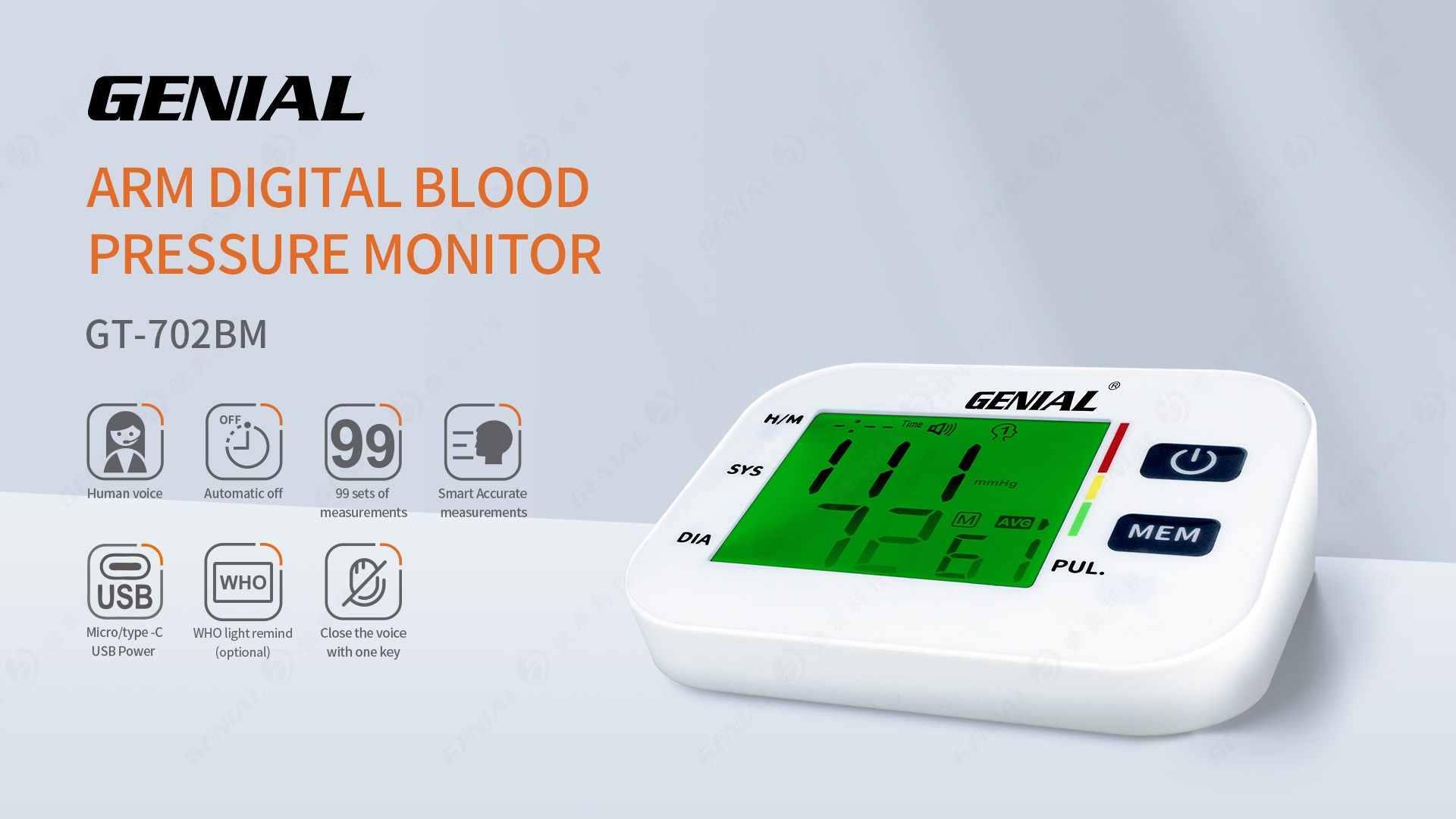
Wholesale and offline household retail. GT-702BM is built for this channel: 99 memory sets for 2 users, 22–42 cm arm circumference, a composite fabric cuff, ABS housing and a stated weight of 220 g ±15 g without battery. Memory capacity and dual-user storage are the features retail staff actually demonstrate.
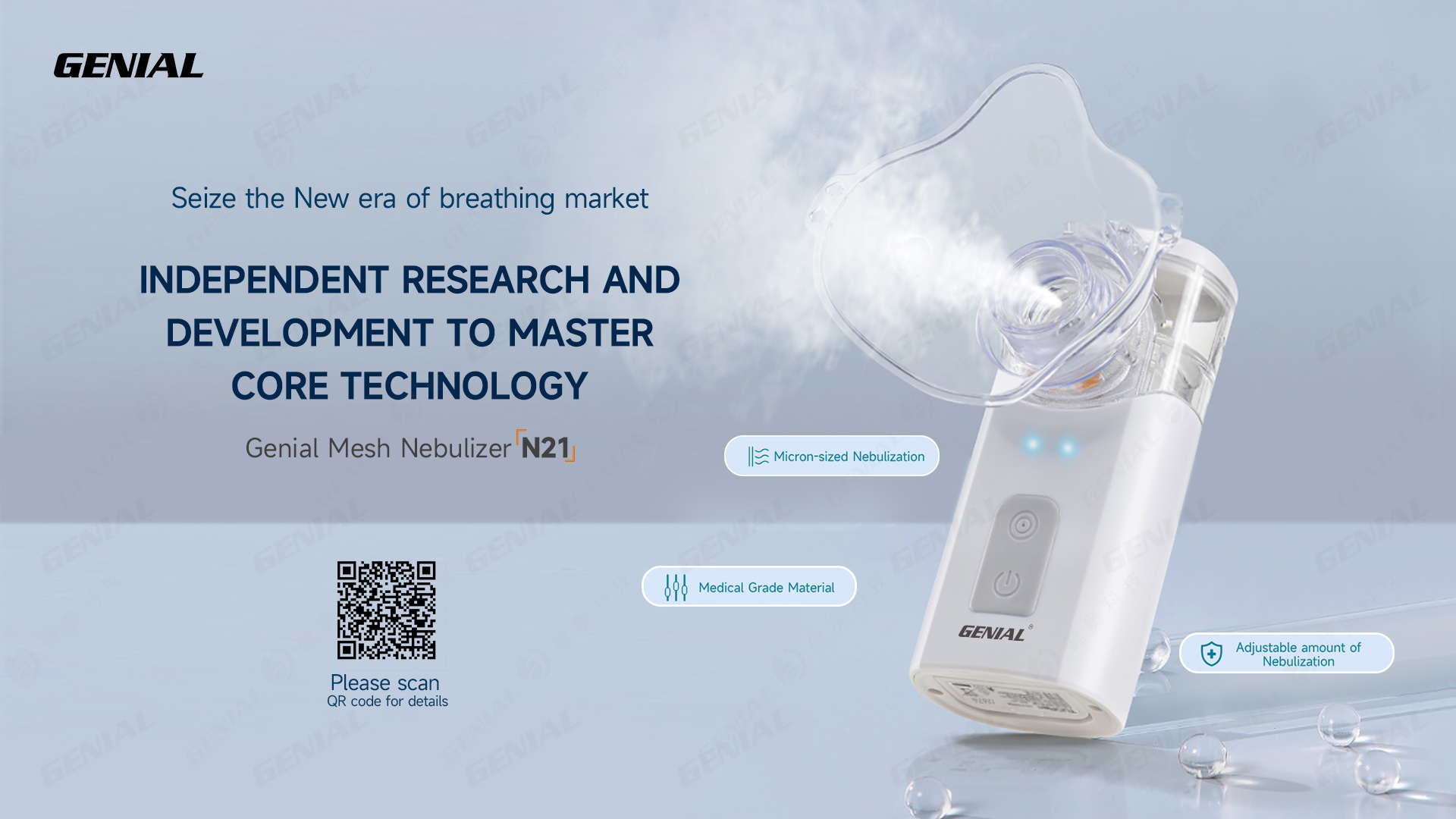
Respiratory and home care. The N11/N21 portable mesh nebulizer is listed for pediatric wards, respiratory clinics, domestic cough treatment and pet medical care, with a liquid capacity of 8 ml, nebulization rate ≥0.2 ml/min, particle D50 <5 µm for at least 60% of particles and noise ≤50 dB(A). The N12/N22 series shares the 8 ml capacity and particle profile and is positioned for overseas OEM, rehabilitation centers and private clinics.
Continuous monitoring and maternal care. T31 is a wearable Bluetooth digital thermometer with a measuring range of 20.0–45.0 °C, ±0.1 °C accuracy, IPX4 splash resistance, 33 g weight and dimensions of Φ13×82 mm, made of medical-grade PP with a silicone adhesive patch. Because the patch is a consumable, after-sales planning for T31 is really consumable planning.
Comparison: three upper-arm models that show why the annex matters
The three models below share a pressure range and a housing material, yet they are not interchangeable. The differences are exactly the fields a long-term agreement must freeze.
| Attribute | GT-732 | GT-732M | GT-702BM |
|---|---|---|---|
| Type | Upper arm digital blood pressure monitor | Upper arm digital blood pressure monitor | Upper arm digital blood pressure monitor |
| Air bag / cuff material | PVC air bag with nylon binding strap; ABS housing | Eco-friendly TPU air bag; ABS housing | Composite fabric cuff; ABS housing |
| Pressure range | 0–290 mmHg | 0–290 mmHg | 0–290 mmHg |
| Stated performance detail | Materials split across air bag and strap — specify both | Pulse error ≤±5%; arm circumference 22–42 cm | 99 memory sets for 2 users; arm circumference 22–42 cm |
| Channel positioning listed | Community clinic, health & wellness center, e-commerce, customized OEM gift | Chronic disease management, community medical centers, insurance promotional gift | Medical instrument wholesale, offline household retail |
Source basis: published product specifications for each model. Where two models share a parameter, that parameter still needs its own line item in the annex, because the material and accessory content differ.
After-sales coordination: the items to write into the agreement
After-sales in this category is mostly about parts and guidance rather than repairs. The table below lists the supporting items already named in the published specifications — a practical starting list for a spare-part clause.
| Device family | Recurring after-sales items | Why it matters to the buyer |
|---|---|---|
| Upper-arm monitors (GT-732, GT-732M, GT-702BM) | Replacement cuffs, batteries, storage bag, calibration support | Cuff condition drives measurement consistency; installed base outlives the launch order |
| Mesh nebulizers (N11/N21, N12/N22 series) | Adult mask, child mask, mouthpiece, PP medicine cup, medical silicone tube, batteries | Masks and medicine cups are user-replaced parts with hygiene-driven turnover |
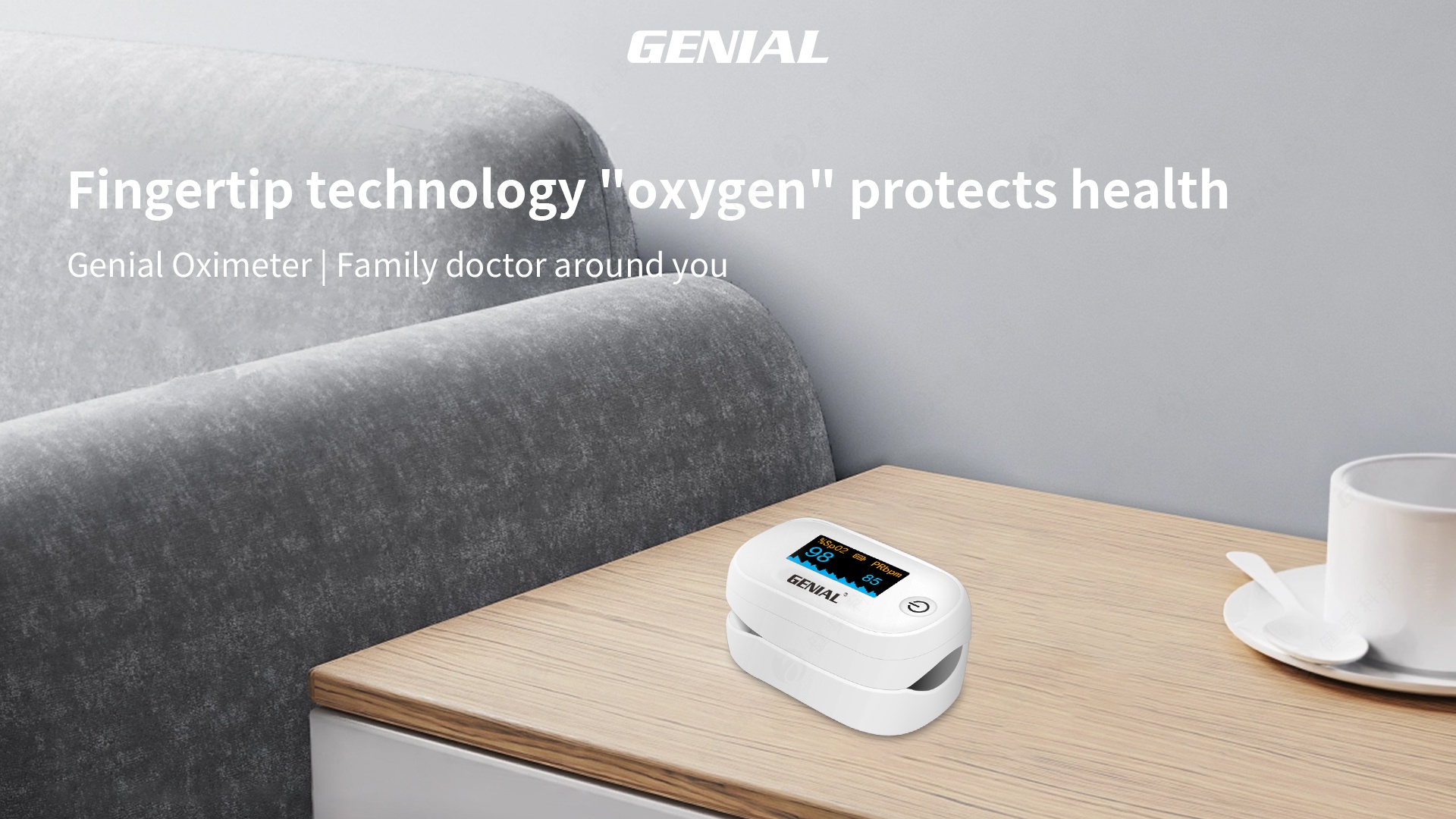
| Finger pulse oximeters (GX series) | Medical elastic silicone finger pad, protective pouch, lanyard, batteries | The finger pad is the wear item; SpO₂ range is 35–100% (±2% at 70–100%) |
| Wearable thermometer (T31) | Silicone adhesive patches, charging accessories, app support | Patch supply is the real availability constraint in continuous monitoring |
| Sleep therapy (GH-B20V family) | Mask, heated breathing tube, humidifier chamber, spare filters, optional blood-oxygen module | Filter and mask replacement determines long-term user compliance |
| Hair removal device (GI02/GI06) | Protective goggles, storage pouch, power adapter | Accessory completeness affects channel returns and complaint handling |
Two coordination rules make this table operational. First, name a single after-sales owner on both sides and a response expectation for technical questions such as pairing failures, cuff-size selection or calibration intervals. Second, require batch traceability so that a complaint can be mapped to a production lot without a manual search — this is also what makes any later corrective action credible.
FAQ: long-term OEM partnerships for home medical health devices
1. Which compliance documents should be written into a long-term OEM agreement?
Build a document package rather than collecting certificates. It should include the quality-system layer, the product-approval layer and the standards layer. GENIAL states that it holds ISO 13485, ISO 45001, ISO 14001, GB/T 29490 and BSCI certification, and that its devices hold CE, NMPA, FDA, CB, FCC and RoHS certification; FDA records show 510(k) clearance K240333 for the T31 Wearable Digital Thermometer under product code FLL, effective 30 October 2024. The standards layer should name the requirements relevant to each device class: ISO 80601-2-56:2017 for clinical thermometers, ISO 80601-2-61 for pulse oximeters with SpO₂ accuracy reported as Arms, and IEC 60601-1-11 as the collateral standard applied to home healthcare equipment. Attach each document to a specific model, market and validity date — a certificate whose scope does not cover the SKU you buy is not compliance, it is decoration.
2. How much customization can a long-term OEM partner actually support?
More than branding, less than unlimited redesign. GENIAL states that it provides one-stop OEM, OBM, ODM and JDM services, supported by a 29-engineer R&D team and 262 intellectual property certificates. Published examples show the range in practice: the hair removal device GI02/GI06 is described with customizable appearance and factory preset parameters for OEM projects; the sleep therapy range supports CPAP, APAP, S/T and VGPS modes with an optional built-in lithium battery; the ventilator family is listed with working pressure of 4–20/25 cmH₂O and noise ≤35 dB; GT-712B/C/E is positioned for ODM private labeling; and GT-702BM adds 99 memory sets for 2 users for retail demonstration. Customization boundaries — what changes, what stays on the same validated platform, and what requires re-testing — belong in the agreement, because those boundaries determine both cost and time.
3. How should a buyer budget a multi-year OEM program?
Budget by configuration, not by category. For a blood pressure monitor the cost drivers are visible in the specification itself: air bag and cuff construction differs between GT-732 (PVC air bag with nylon strap), GT-732M (eco-friendly TPU air bag) and GT-702BM (composite fabric cuff); feature content differs as well, with GT-702BM carrying 99 memory sets for 2 users while GT-732M declares a pulse error of ≤±5%. Add packaging and manual language for each destination market, the certification scope for each market you intend to enter, the accessory content inside the box (cuffs, masks, medicine cups, patches) and a spare-part reserve sized to the installed base rather than to the first order. Finally, budget the recurring items: calibration support and consumable accessories. A quote should therefore be requested per configuration and per market, and re-verified whenever the specification annex changes.
4. What acceptance criteria should be agreed before samples are approved?
Use declared parameters and named test methods. For blood pressure monitors, GENIAL states that each unit is calibrated and tested with measured pressure required within 3 mmHg of analyzer data; GT-732M declares a pulse error of ≤±5% across a 0–290 mmHg range. For thermometers, GENIAL states that every digital thermometer is checked by thermostatic water bath testing; T31 declares ±0.1 °C accuracy from 20.0 to 45.0 °C, and the T86/T87 forehead model declares ±0.2 °C error within 35–42 °C. For oximeters, the declared SpO₂ range is 35–100% with ±2% at 70–100%. For nebulizers, nebulization rate ≥0.2 ml/min and D50 <5 µm for at least 60% of particles are checkable. Complete the set with golden-sample retention, packaging and artwork verification, and an accessory check against the bill of materials.
5. How are lead time and after-sales coordination managed once the program is running?
Treat both as commitments, not expectations. GENIAL states that OEM orders are delivered in 3 to 7 days after order confirmation and that GENIAL-branded products can ship within 24 hours after order confirmation; confirm these figures against your own configuration, packaging and season before they enter a supply agreement. For after-sales, define four things in writing: the accessory list that must remain orderable and for how long, the calibration and usage guidance you will pass to end users (general guidance for home monitoring equipment recommends frequent calibration and operation at 16–40 °C with humidity below 85%), the software and app support route where relevant, and a named escalation contact on each side. Programs that document these four items spend far less time resolving routine issues. To move from FAQ to evaluation, request a sample and a configuration-specific quote from GENIAL at market6@genial.cn, or download the 2026 English catalogue (PDF).
Conclusion
A long-term OEM partnership for home medical health devices is a documentation exercise before it is a manufacturing one. The partner’s value shows up in three measurable places: a specification annex that distinguishes GT-732 from GT-732M from GT-702BM instead of treating them as “the upper-arm range”; acceptance criteria built on declared methods such as calibration within 3 mmHg of analyzer data or thermostatic water bath testing of every thermometer; and an after-sales plan that keeps cuffs, masks, patches and calibration guidance available for as long as the installed base exists. Everything else — portfolio breadth, capacity, registration support — makes those three things easier or harder to sustain.
For buyers entering the research stage, the practical next step is a short written comparison: your intended use, your destination markets, the parameters you will test, and the accessories you must be able to reorder. Send that list with the models you are considering — whether a GT-732M program for chronic disease management or a T31 continuous-monitoring line — and ask for the corresponding sample and configuration quote. GENIAL can be reached at www.cngenial.com, by email at market6@genial.cn, or by phone and WhatsApp at +86 18938327866.
Next step: sample, quote, or catalogue
Tell us your target market, intended use and the accessories you need to keep available, and we will return a configuration-specific quotation and a sample plan for the models that fit. Contact Gary at market6@genial.cn · WhatsApp (+86) 18938327866 · Download the 2026 English catalogue.
Have Questions or Need More Details?
Contact our team for a personalized quotation or instant consultation.
Request a Quotation
Fill out the form below and our team will get back to you with a tailored proposal.
WhatsApp Direct Chat
Prefer to chat in real-time? Message us on WhatsApp for instant assistance & quick answers.
- Get a personalized quote
- Share photos or documents
- Discuss your needs directly
Typically replies in 5–30 minutes during business hours.