
Long-Term Support and FAQs: Sustaining Your Upper Arm Blood Pressure Monitor Program
Long-term support for an upper arm blood pressure monitor program rests on four documented commitments: a free 12-month warranty against a valid proof of purchase, certification documentation support, technical consultation, and a manufacturer-managed return and replacement policy. Around those commitments sit two operational realities that decide whether a multi-year program stays predictable: model continuity across the GT-702, GT-712 and GT-732 family, and a written plan for the two things that change between shipments — the cuff and air-tube assembly, and the declared battery configuration.
This guide is written for distributors, importers and program managers who have already placed the first order on Home Medical Health Devices and now need to answer the questions that arrive in year two.

Figure 1 — An upper arm digital blood pressure monitor from the GT-702 series, part of the model family discussed in this support guide.
Problem Definition: Support Debt Accumulates After the First Delivery
First shipments are rarely the difficult part of a monitoring program. The margin and the reputation are decided later, when devices are already in clinics, pharmacies and households and the questions stop being about price.
Across community and institutional programs, the same recurring questions come back from channel partners:
- Who replaces a worn cuff or air-tube assembly, under what terms, and at whose freight cost?
- Which certification documents can be re-issued for a tender or a customs query three years after purchase?
- How is a monitor declared for freight when the shipping configuration includes or excludes a battery?
- If the model line evolves, which service, accessory and training assumptions survive?
- What lead time applies to a 200-unit top-up compared with a 5,000-unit program order?
Each unanswered question becomes support debt. A distributor who cannot answer them either absorbs the cost internally or loses the account to a supplier who can. The practical answer is not a longer brochure; it is a short, written continuity plan built from what the manufacturer has already committed to.
Industry Background: Why Upper-Arm Programs Have Long Horizons
The home medical equipment market was estimated at USD 54.35 billion in 2026, with North America holding approximately 40.35% of the market in 2025 (Mordor Intelligence, market report dated 2026). Inside blood pressure monitoring, upper-arm monitors controlled 59.10% of segment share in 2025, while wrist-based and wearable formats grew at a 12.07% CAGR (same source). Upper-arm devices therefore remain the reference format for clinics, community screening and chronic-disease programs, even while wrist formats expand.
The regulatory frame around those programs is stable and worth restating, because it drives what documentation a distributor will be asked for. Home healthcare equipment is assessed against IEC 60601-1-11, a collateral standard used together with IEC 60601-1 for equipment intended for use in uncontrolled home environments by untrained users (UL). Home health monitoring equipment should be calibrated at frequent intervals and operated within an environment of 16 to 40 °C with humidity below 85% (PubMed Central, 2021).
The supplier behind this guide is Guangdong Genial Technology Co., Ltd. (GENIAL), a medical device manufacturer founded in 2001 that produces Home Medical Health Devices across thermometers, blood pressure monitors, oximeters, nebulizers, ventilators and therapeutic instruments. The company operates a 45,000 ㎡ facility with 251 employees, including 29 engineers, reports annual output of 15,000,000 units, exports about 80% of production, and states product and trademark registration in 29 countries with sales to 117 countries and regions. Its stated quality system coverage includes ISO 13485, ISO 45001, ISO 14001, GB/T 29490 and BSCI, with product-level claims covering CE, NMPA, FDA, CB, FCC, RoHS and REACH — claims a distributor should map to the exact model and market before quoting them in a tender.
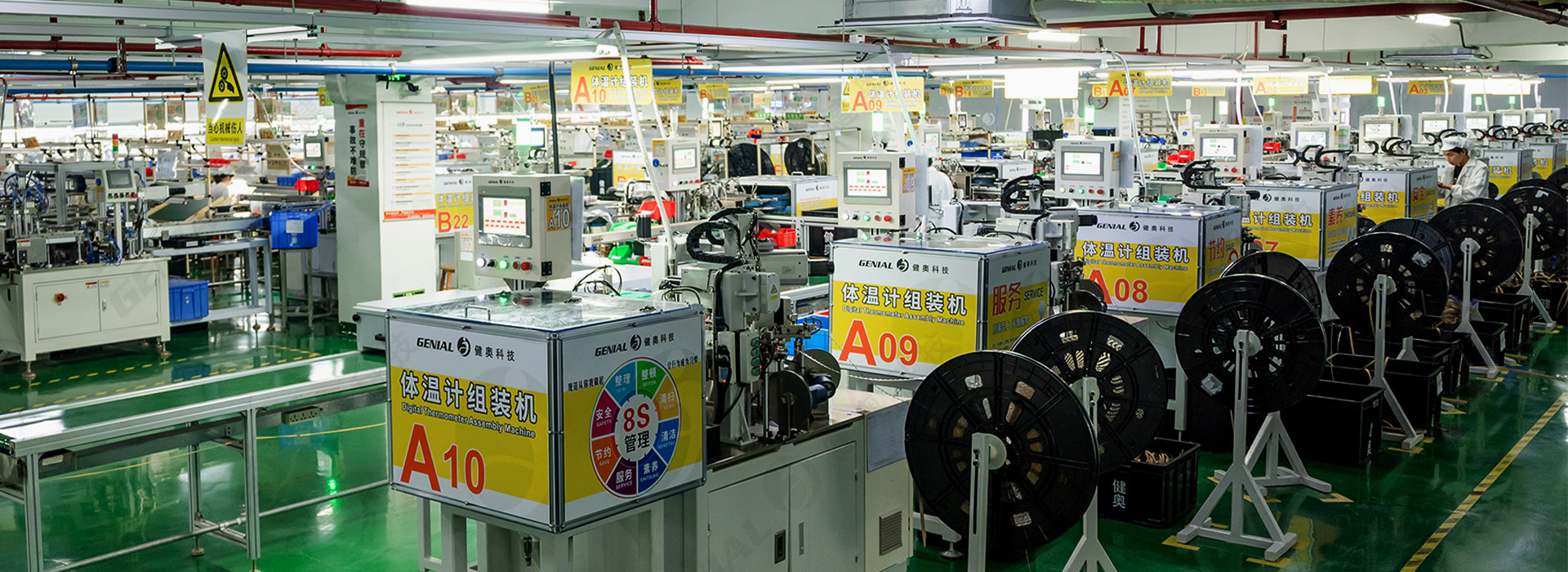
Figure 2 — Wide view of the production workshop; batch consistency here is what makes year-three service planning possible.
The Documented Support Package, Element by Element
1. A 12-month warranty that depends on one document
The published after-sales terms state a free 12-month warranty upon presentation of a valid proof of purchase. The operative phrase for a distributor is "valid proof of purchase", because in a long program the paper trail usually breaks on the user side, not the supplier side.
Build a warranty register at order confirmation: invoice number, ship date, model, configuration, quantity, and the channel or institution that received the goods. Where a device is gifted to a patient through an insurance or sponsor program, the proof of purchase often sits with the sponsor rather than the user. Agree in advance how such a claim is evidenced — for example, a sponsor-issued delivery record referencing the original invoice — so that a legitimate claim is not rejected on paperwork.
2. Certification documentation support
Certification documentation support is listed as part of the after-sales service package. In practice it covers the re-issuance of certificates, declarations and technical documents when a tender, customs authority or regulator asks mid-program.
Two disciplines make it useful. First, store certificates by model and by market, not in one folder, because coverage is model- and jurisdiction-specific. Second, set an annual review so documentation is refreshed before a bid, not during one.
A verifiable quality anchor: Genial's blood pressure monitor page states that each monitor is calibrated and tested, and that measured pressure should be within 3 mmHg of analyzer data (deviation below 0.4 kPa). Use this as a manufacturer acceptance criterion in your incoming inspection routine — it is a supplier-stated test limit, not an independent benchmark.
3. Technical consultation and joint development support
Technical consultation is part of the after-sales package, and joint product development technical support is documented for partner projects. Distributors typically use it for cuff sizing decisions, measurement protocol questions, training-material review and fault triage on returned units.
Assign one named contact per program. The hidden cost in long programs is not the consultation itself but restarting the explanation every year with a different person.
4. Manufacturer-managed return and replacement
The return and replacement policy is manufacturer-managed, which means the replacement decision sits with the manufacturer rather than being delegated to the distributor's discretion. That is good for consistency and bad for ambiguity if the workflow is never written down.
Put five lines on one page: intake point, evidence pack (proof of purchase, fault description, batch or serial), triage rules, decision owner, and which freight leg each party pays. Most year-two disputes are freight disputes wearing a quality costume.
5. Model continuity across GT-702, GT-712 and GT-732
After-sales service gets easier when the fleet does not chase a moving target. The GT-702, GT-712 and GT-732 upper arm family gives a distributor a defined ladder — an entry format, an intermediate option and a program-grade model — with GT-732M available where a different cuff or configuration requirement applies to the same program logic.
Continuity pays off in three places: accessory and cuff reordering against a known family, training material that stays valid across the fleet, and tender documentation that cites a model already in service and therefore already supported.
Important boundary: model continuity is not spec equivalence. Record the exact model, cuff size and shipping configuration on every purchase order, and confirm model-level specifications in writing instead of assuming they carry across the family.
6. Consumables: the cuff and air-tube assembly
In an upper-arm monitor, the cuff and its air-tube assembly are the components that are wrapped, folded, wiped and stored at every single measurement. They are the first parts to show wear in a community program, long before any electronics issue appears — and they are also the parts most often left out of a program budget.
Three practical steps keep consumable support under control:
- Record the cuff size and part reference per model at the launch order, and repeat them on every replenishment PO.
- Set the replacement reserve from your own field data — return rate, measurement frequency and cleaning protocol — rather than from a generic rule of thumb.
- Ask the supplier to confirm in writing which cuff and tube part references remain available for the models in your fleet, and over what horizon.
Where a program requires a specific cuff construction to match a cleaning or disinfection protocol, request the material specification per model in writing. The same model family can be supplied in more than one configuration, and the specification that matters is the one printed on your PO, not the one in a catalogue.
7. Battery configuration and freight planning
Whether a monitor ships with or without a battery changes two things a distributor feels directly: the declared weight of the shipping configuration, and the documentation a carrier requires. Neither should be inferred from a product photo.
Before order confirmation, ask for three statements per model: the declared unit weight of the exact configuration being purchased, the carton weight and units per carton, and a clear statement of whether the battery is included, excluded or shipped separately. Then check those numbers against your forwarder's declaration. This is a five-minute task that prevents a container-level surprise.
Step-by-Step: Building a Continuity Plan for Your Program
- Fix the baseline. Model, cuff size, shipping configuration, documentation set, and the batch or serial convention used for warranty registration. Nothing else in the plan works if this is loose.
- Split launch volume from replenishment volume. Samples ship in about 3 days, small orders in 3–7 days and mass orders in 10–15 days; in-stock products ship within 48 hours and replenishment orders take 5–7 days. Size safety stock against these intervals rather than against a single annual delivery.
- Set the consumable reserve. Decide the share of program value held as spare cuff and air-tube assemblies, based on your own replacement history.
- Write the return-and-replacement workflow. Intake contact, evidence pack, triage rules, decision owner, freight split. One page, signed by both sides.
- Lock the documentation pack. Certificates filed by model and market, with an annual refresh review before tender season.
- Confirm the freight declaration. Battery configuration, declared weight, carton data, and any dangerous-goods documentation the carrier requires.
- Schedule an annual program review. Genial's quality control process runs through customer demand assessment, internal project approval, product development, sample approval, exclusive model registration, and mass production with incoming-material, full-process and final inspection. The last three stages are the ones your own incoming inspection should mirror. Monthly capacity ranges from 60,000 to 6,000,000 units depending on product type and production model, so a capacity-reservation conversation is meaningful for a large multi-year program.

Figure 3 — Technical consultation and after-sales coordination sit with a named contact, not a general inbox.
Use Cases: Where This Support Model Fits
Community screening and clinic programs
Multi-site programs run on a fixed fleet for several years. What breaks first is the cuff and tube assembly, and what gets audited first is documentation. A documented warranty path, certification documentation support and a cuff replacement reserve cover most of the exposure, and the upper-arm format remains the reference choice for clinic use.
Insurance and custom gift orders (OEM context)
Gift programs repeat annually: a sponsor orders a customized batch, distributes it, and reorders next year. Model continuity and a stable configuration matter more here than unit price, because packaging artwork, training material and warranty handling are all built around the previous batch. Customized orders start from 500 units in the documented purchasing terms, while in-stock orders start from 100 units — a useful split when a sponsor wants a small trial year before a large second year.
Pharmacy chain replenishment
Retail depends on short, reliable intervals: in-stock products ship within 48 hours and replenishment orders take 5–7 days. A chain that rotates stock between branches needs the same model and the same cuff size in every branch, which is a model-continuity decision rather than a purchasing decision.
Elderly care and long-stay institutions
Facilities care about shared use and simple operation. Documented features relevant to rotating staff include dual-user memory holding 99 memory sets per user, one-button measurement, a large backlight display and a mercury-free digital design; measurement time is about 30–60 seconds, compared with 3–5 minutes for a mercury sphygmomanometer. Fewer steps per measurement reduces training load and operator variability.
Tender-driven distributors
Where a contract can require documentation at short notice, a maintained certificate register plus certification documentation support is the difference between bidding and skipping the opportunity.

Figure 4 — Production base exterior; monthly capacity ranges from 60,000 to 6,000,000 units depending on product type and production model.
Comparison Table: Documented Commitments vs. What to Confirm in Writing
The table below separates what is already documented from what a distributor still needs to confirm for a specific program. Everything in the middle column comes from published after-sales terms, purchasing terms or product documentation; nothing in it is a forecast.
| Support or planning item | Documented position | Confirm in writing for your program |
|---|---|---|
| Warranty | Free 12-month warranty with a valid proof of purchase | Warranty start basis; who holds proof of purchase in gift programs; local intake contact |
| Certification documentation | Documentation support included; ISO 13485, ISO 45001, ISO 14001, GB/T 29490, BSCI systems and CE, NMPA, FDA, CB, FCC, RoHS, REACH product claims | Which certificates apply to the exact model and destination market |
| Technical support | Technical consultation, plus joint product development technical support for partner projects | Named contact, response channel and working language |
| Returns | Manufacturer-managed after-sales return and replacement policy | Triage criteria and which freight leg each party pays |
| Samples | About 3 days | Sample configuration and cuff size |
| Small orders | 3–7 days | How "small order" is defined for your SKU |
| Mass orders | 10–15 days | Capacity reservation ahead of seasonal peaks |
| Stock programs | In-stock products ship within 48 hours; replenishment orders 5–7 days | Stock status at order date, not at quotation date |
| Custom development | 7–15 days for minor modifications without new tooling; 45–50 days for new mold development | Tooling ownership and modification scope boundaries |
| Minimum order | In-stock from 100 units; customized from 500 units | MOQ per model and per configuration |
| Capacity | 60,000 to 6,000,000 units per month depending on product type and production model | Allocation held for your program in peak months |
| Quality control | Demand assessment, project approval, development, sample approval, exclusive model registration, mass production with incoming-material, full-process and final inspection | Which inspection records accompany each shipment |
Frequently Asked Questions
Which certification documents can be re-issued for an upper arm blood pressure monitor program, and what do they cover?
Certification documentation support is part of the published after-sales service package, so documents can be re-issued when a tender, customs authority or regulator asks for them during a program. The supplier's stated coverage includes ISO 13485, ISO 45001, ISO 14001, GB/T 29490 and BSCI system certifications, with product-level claims for CE, NMPA, FDA, CB, FCC, RoHS and REACH. Coverage is model- and jurisdiction-specific, so the document set must be mapped to the exact model and destination market before it is quoted in a bid. Home-use equipment is also assessed against IEC 60601-1-11 as a collateral standard used with IEC 60601-1, which is the reference buyers usually cite in a technical annex.
How does model continuity across GT-702, GT-712 and GT-732 support after-sales service in a multi-year program?
Continuity keeps three service assumptions valid: accessory and cuff reordering against a known model family, training material that applies across the installed fleet, and tender documentation that cites a model already in service. GT-732M sits alongside GT-732 where a different cuff or configuration requirement applies within the same program logic. Continuity does not mean the models are specification-identical, so each purchase order should state the exact model, cuff size and shipping configuration, with model-level specifications confirmed in writing rather than assumed.
What purchasing terms apply to repeat and customized orders?
Documented purchasing terms list a minimum order of 100 units for in-stock items and 500 units for customized orders. Delivery can run by sea freight, air freight, express delivery or railway transportation under FOB, CIF, DDU or DDP, with full container load, less than container load or overseas warehouse options. Acceptance options include inspection of bulk goods against samples, factory inspection, third-party inspection and video inspection, and payment is by T/T or letter of credit. For a repeat program, the practical task is to lock these terms to the specific model and configuration rather than to the product category.
How fast can samples be delivered, and what does sample approval cover?
Sample lead time is about 3 days. Sample approval is a defined stage in the quality control process — demand assessment, project approval, product development, sample approval, exclusive model registration, then mass production — so the approved sample becomes the reference for bulk inspection. Request the sample in the exact configuration you intend to buy, including cuff size and battery configuration, otherwise the approval covers a different item than the mass order.
What lead times apply to mass orders, replenishment and custom development?
Mass orders typically take 10–15 days, small orders 3–7 days, and samples about 3 days. In-stock products ship within 48 hours, while replenishment orders take 5–7 days. For custom work, minor modifications without new tooling take 7–15 days, and new mold development takes 45–50 days. Monthly capacity ranges from 60,000 to 6,000,000 units depending on product type and production model, so a large program should reserve capacity rather than assume availability. To start a support plan for a specific program, request a sample and a written quotation for your exact model, cuff size and shipping configuration from Gary at market6@genial.cn or +86 18938327866.
Conclusion: Support Is a Documented Practice, Not a Promise
A sustainable upper arm blood pressure monitor program is built on four written commitments — a 12-month warranty against valid proof of purchase, certification documentation support, technical consultation and a manufacturer-managed return and replacement policy — plus two operational plans most distributors forget until year two: a cuff and air-tube replacement reserve, and a freight declaration that states the battery configuration correctly.
Model continuity across GT-702, GT-712 and GT-732 makes that practice repeatable, provided each order still records the exact model, cuff size and shipping configuration. Handled this way, the second and third years of a community, gift or pharmacy program become routine replenishment instead of renegotiation.
Next step: build the continuity plan against your own program data. Request a sample, a model-level specification sheet and a written quotation from GENIAL — Guangdong Genial Technology Co., Ltd. (founded 2001, ISO 13485 quality system, products in 117 countries and regions).
Email: market6@genial.cn | Tel / WhatsApp: +86 18938327866 | Website: www.cngenial.com
Download the full product catalogue: 2026 English Brochure (PDF)
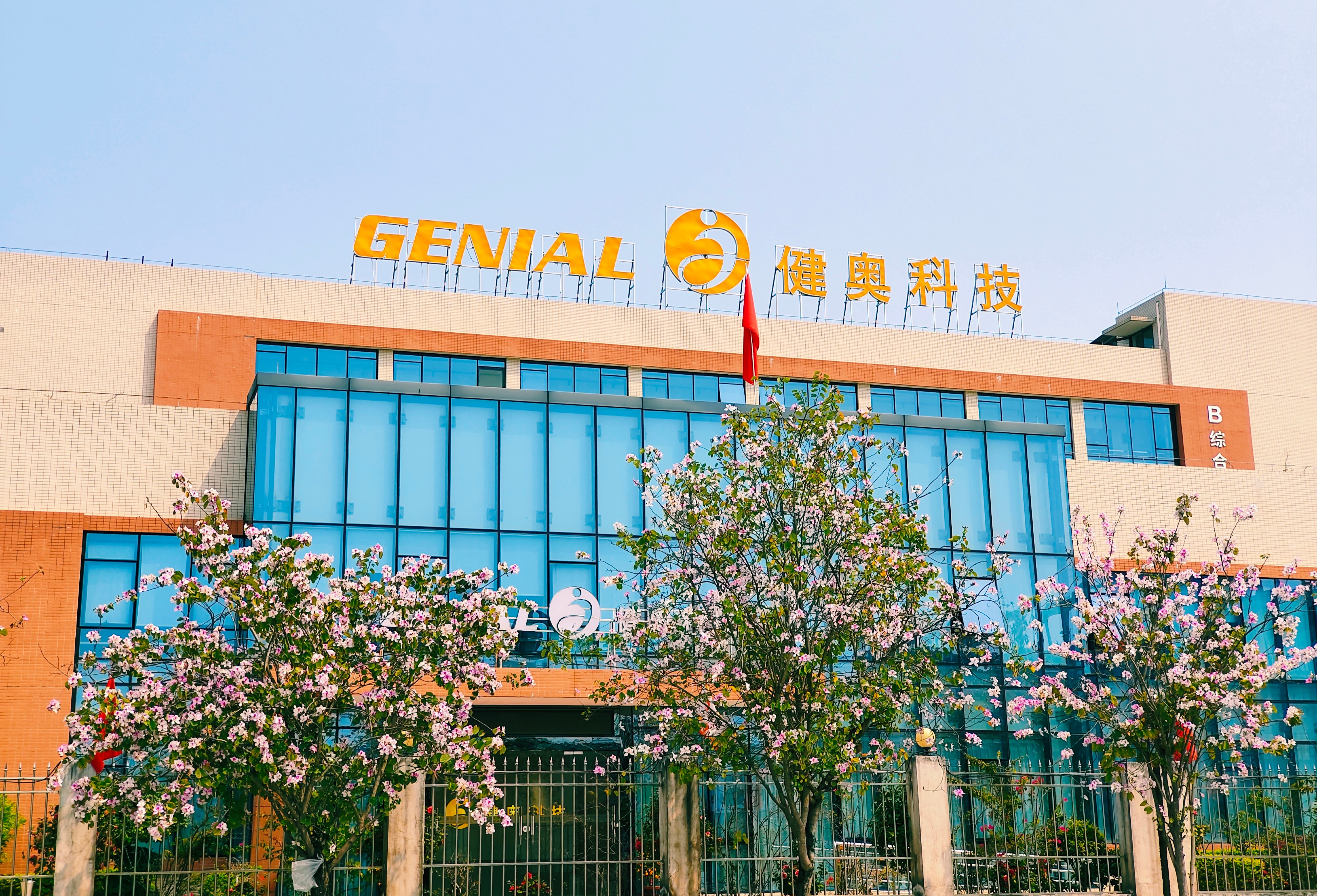
Figure 5 — Program inquiries, sample requests and documentation questions are handled through the Guangzhou office.
Have Questions or Need More Details?
Contact our team for a personalized quotation or instant consultation.
Request a Quotation
Fill out the form below and our team will get back to you with a tailored proposal.
WhatsApp Direct Chat
Prefer to chat in real-time? Message us on WhatsApp for instant assistance & quick answers.
- Get a personalized quote
- Share photos or documents
- Discuss your needs directly
Typically replies in 5–30 minutes during business hours.