
Home Medical Health Devices: Cost-Performance Comparison
Buyers selecting home medical health devices for hospital projects, retail programs, or distributor catalogs face the same core question: which device type offers the best balance of performance and total cost? The purchase price alone does not tell the whole story. Conventional instruments such as mercury thermometers and manual blood pressure cuffs carry hidden costs in measurement time, staff training, maintenance, and disposal. Digital and smart alternatives can change that cost structure.
This article compares digital and smart home medical health devices with conventional tools across six product categories: thermometers, blood pressure monitors, pulse oximeters, nebulizers, sleep therapy devices, and hair removal devices. It draws on published product comparison data from Guangdong Genial Technology Co., Ltd. (GENIAL) and market data from independent research firms. The goal is to give procurement teams, distributors, and project buyers a documented basis for a final decision.
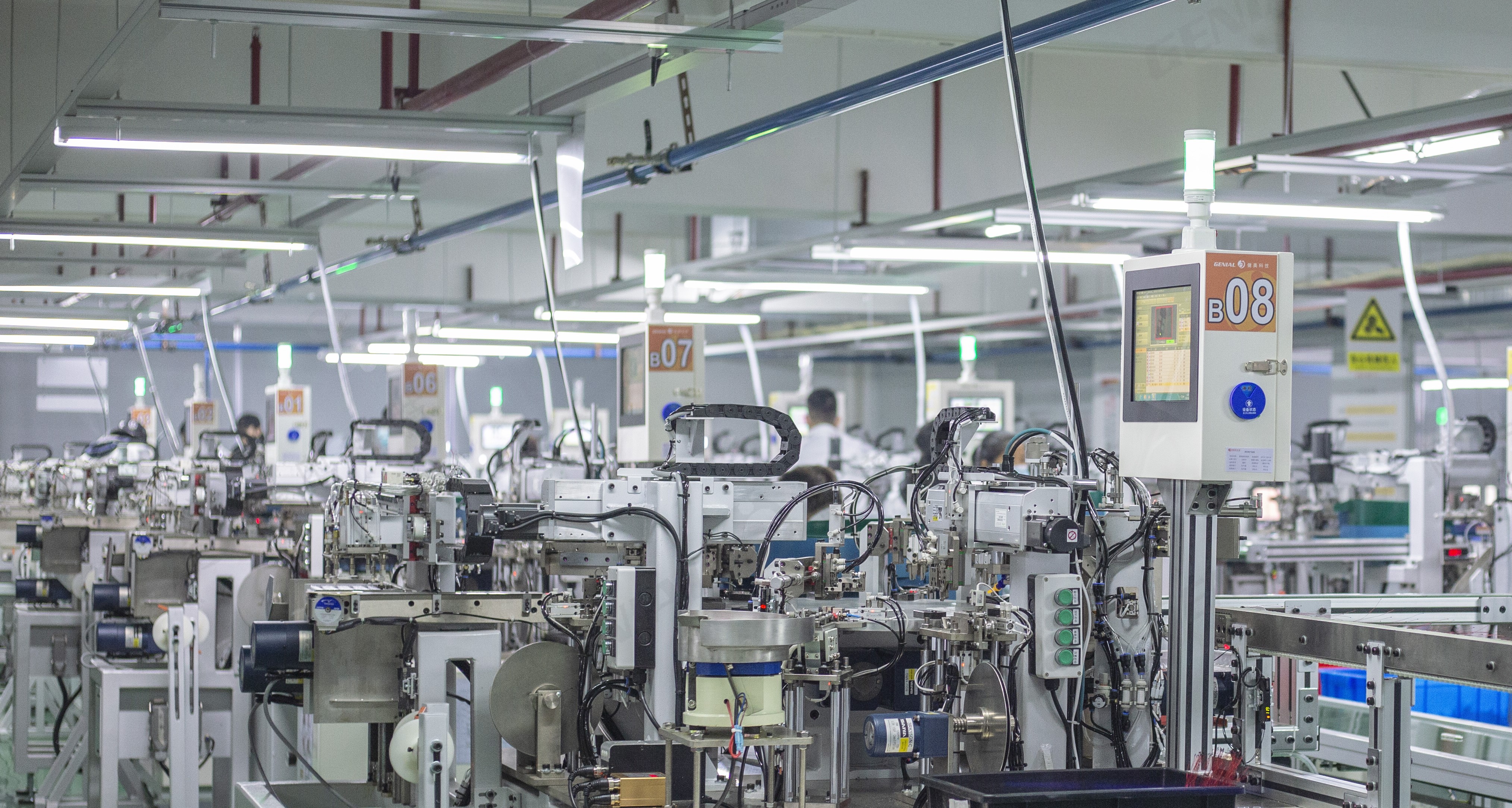
Automated assembly is one of the production controls that supports consistent measurement quality in home medical health devices.
The Real Cost Problem in Home Medical Health Devices
Conventional home medical tools are often cheaper to buy but more expensive to operate. A mercury thermometer needs 3–5 minutes for one reading; a digital thermometer completes the same task in 30–60 seconds. In a hospital ward performing hundreds of temperature checks daily, that time difference turns directly into labor cost. Mercury instruments also require recycling and careful disposal, adding a handling layer that digital devices do not have.
The same pattern appears in blood pressure measurement. A mercury sphygmomanometer requires a stethoscope, professional training, and careful operation. A compression nebulizer is noisy and heavy, which reduces comfort for children and complicates travel use. Manual temperature screening at a school or airport requires one staff member per checkpoint. These operating costs are not visible on the price tag, but they form most of the total cost in frequent-use scenarios. A fair comparison must therefore include measurement time, labor, maintenance, consumables, and compliance handling.
Industry Background: Digital Home Medical Devices Are a Growth Category
Market data shows why digital home medical health devices are moving into standard procurement categories. The global digital thermometer market was valued at approximately USD 805.1 million in 2024 and is projected to reach USD 1 billion by 2030 (Research and Markets). The global blood pressure monitoring devices market was valued at USD 4.2 billion in 2025 and is estimated to reach USD 8.6 billion by 2033, a CAGR of 9.3% (Grand View Research). Digital blood pressure monitors accounted for about 48% of total revenue in the blood pressure monitoring devices market in 2024 (Fortune Business Insights).
Pulse oximetry and nebulization are growing in parallel. The global pulse oximeter market is expected to reach USD 5.3 billion by 2030, with a CAGR of 6.6% from 2024 to 2030 (Grand View Research). The vibrating mesh nebulizer market was valued at USD 0.75 billion in 2024 and is expected to grow to USD 1.57 billion by 2035 (Market Research Future).
Regulatory requirements are also converging on digital formats. Clinical electronic thermometers must comply with ISO 80601-2-56:2017 for basic safety and essential performance, and medical electrical equipment must meet IEC 60601-1-2 for electromagnetic compatibility. Meanwhile, established competitors such as Omron Healthcare remain dominant in the global nebulizer and blood pressure monitor markets as of 2024 (iData Research). The practical consequence for buyers is that device selection should be based on documented compliance, certified performance, and traceable production quality rather than category labels alone.
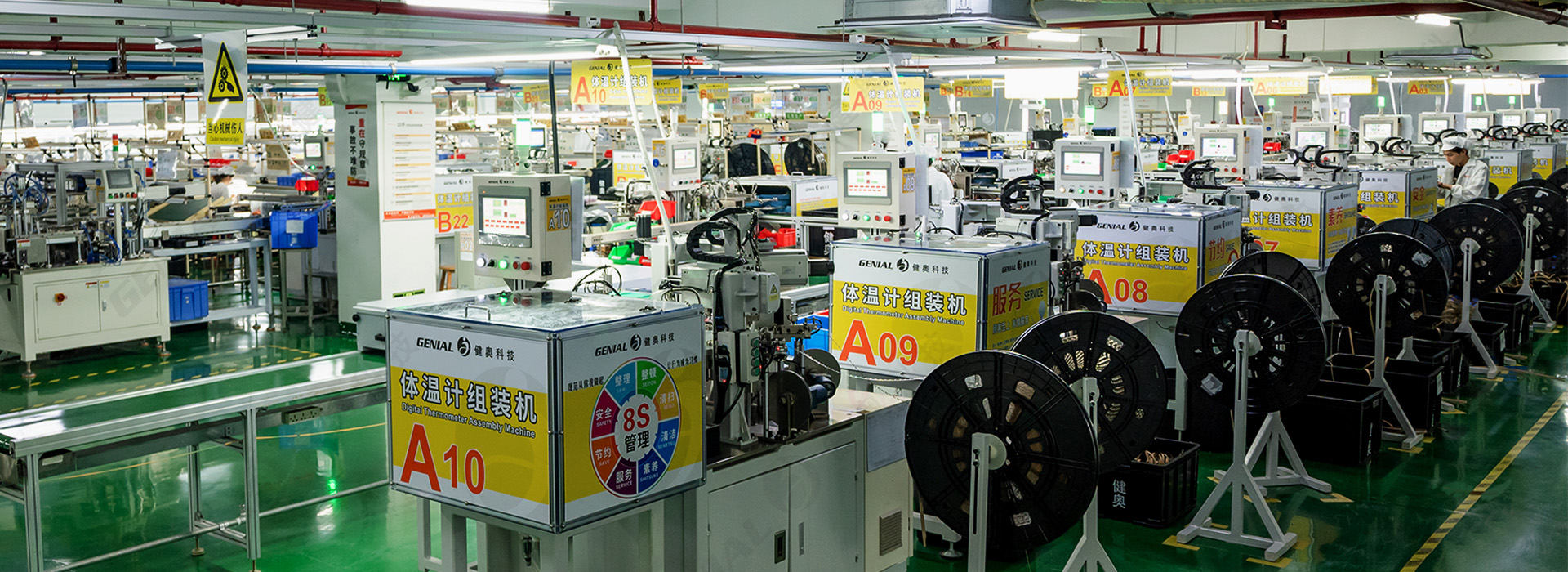
GENIAL's 45,000 sqm production base supports high-volume manufacturing of home medical health devices.
Detailed Solution: A Category-Level Comparison Based on Manufacturer Data
Guangdong Genial Technology Co., Ltd. (GENIAL) is a medical device manufacturer founded in 2001 and headquartered in Guangzhou, China. It operates a 45,000 sqm production base, employs 251 people, and reports an annual output of 15,000,000 units. The company provides OEM, ODM, OBM, and JDM services across digital thermometers, infrared thermometers, wearable thermometers, continuous dynamic thermometers, blood pressure monitors, pulse oximeters, mesh nebulizers, sleep apnea therapy devices, health managers, meridian massage instruments, and hair removal devices. Approximately 80% of GENIAL's production is exported to Europe, North America, Southeast Asia, the Middle East, Africa, Latin America, and Oceania.
GENIAL has published comparison data that shows how each digital product performs against the conventional tool it replaces. The sections below summarize the decision-relevant differences.
Temperature Measurement: Mercury, Manual, and Continuous Options
A general digital thermometer measures in 30–60 seconds, an 80% reduction from the 3–5 minutes needed with a mercury thermometer. It provides a digital display, mercury-free design, one-button measurement, unit switching, and storage for 9 or 32 sets of readings. According to GENIAL, comprehensive usage cost over the lifecycle is reduced by more than 40%, and manual workflow efficiency improves by 3–5 times.
For high-traffic screening, an infrared digital thermometer offers non-contact measurement in one second with voice broadcast of results. Compared with manual temperature measurement, screening efficiency improves by more than 10 times, and labor input cost drops by more than 80%. Infrared thermometers suit hospitals, schools, airports, stations, and shopping malls, where measurement speed directly affects queue time.
For continuous monitoring, GENIAL's wearable digital thermometer (T31 wireless temperature patch) provides ±0.1°C accuracy, 24-hour continuous monitoring, and a 180-day battery life. Compared with ordinary electronic thermometers, it adds automatic data upload, abnormal alarms, cloud-side remote sharing, and automatic generation of temperature reports. GENIAL reports that continuous monitoring reduces temperature inspection labor cost by more than 90% and increases ward temperature management efficiency by 5 times. This option suits hospital inpatient departments, ICUs, pediatrics, infectious disease departments, rehabilitation departments, nursing homes, and telemedicine institutions.
Blood Pressure Measurement: Automatic vs. Mercury
An automatic digital blood pressure monitor completes a measurement in 30–60 seconds, compared with 3–5 minutes for a mercury sphygmomanometer. It does not require a stethoscope, supports dual-user storage of 99 readings, and uses a one-button measurement with a large-screen backlight display. According to GENIAL, the automatic device removes dedicated measurement labor and reduces equipment maintenance and calibration costs by more than 60%. It also eliminates the need for professional training and mercury recycling.
For home health management programs, GENIAL's health manager adds APP long-term data tracking, programmable automatic measurement intervals, and dual-mode power supply, with a total weight of 380g. Compared with medical monitoring devices, equipment procurement cost is reduced by more than 70%, and long-term health management cost is reduced by more than 50%, without requiring a dedicated calibration team. This supports chronic disease management centers, internet hospitals, telemedicine platforms, community clinics, and family doctor services.
Blood Oxygen Measurement: Fingertip and Smart Pulse Oximeters
A fingertip pulse oximeter from GENIAL measures blood oxygen saturation in 8 seconds and weighs 55g. It uses fingertip non-contact measurement, one-button operation, and automatic shutdown after 8 seconds of inactivity. Compared with multi-parameter monitors, equipment procurement cost is reduced by more than 80%, and single monitoring cost by more than 70%, with no dedicated personnel required. This is suitable for home monitoring, elderly care institutions, respiratory patient management, and community medical institutions.
The smart pulse oximeter adds Bluetooth transmission, health data management, historical trend analysis, and remote report sharing and monitoring. GENIAL reports that the investment cost per blood oxygen measurement is reduced by 95%, and unit monitoring cost by 88%, compared with conventional ward management. It is suitable for telemedicine platforms, chronic disease management centers, internet hospitals, and family doctor services.
Nebulization: Mesh Technology vs. Compression Nebulizers
GENIAL's mesh nebulizer uses mesh micro-atomization technology. It operates at ≤50 dB, reducing noise by more than 50% compared with compression nebulizers, and weighs only 120g for portability. The device delivers a particle size of 1–5μm and a nebulization rate of ≥0.2ml/min. According to GENIAL, treatment cost is reduced by more than 50%, and overall long-term cost by more than 20%, while the compact body simplifies cleaning and travel use. It is suitable for pediatric respiratory therapy, home nebulization, community clinics, school infirmaries, and elderly care institutions.
Sleep Therapy: Six-Mode Device vs. Bi-Level Ventilator
For sleep apnea care, GENIAL's sleep apnea therapy device integrates six treatment modes — CPAP, APAP, S, T, ST, and VGPS — along with 12 patented technologies. Operating noise is ≤35 dB, allowing quieter night use without disturbing sleep. The device includes Bluetooth cloud data storage, a comprehensive health warning system, six-level heating and humidification adjustment, a 4.3-inch color display, and a total weight of 1.45kg. Compared with bi-level positive airway pressure ventilators, equipment procurement cost is reduced by more than 30% and long-term follow-up cost by more than 50%. The integrated standard humidifier removes the need to purchase a separate humidifier.
Personal Care: Home Hair Removal vs. Salon Treatment
GENIAL also produces a home hair removal device with sapphire ice-point cooling, five-mode energy level selection, and an integrated portable design. The pulse light source exceeds 300,000 flashes, with energy attenuation below 20% over the full lifecycle. Compared with salon hair removal devices, cost per treatment is reduced by more than 90%, and long-term care cost by more than 95%. The device suits home beauty care, personal care, beauty salons, e-commerce retail, and gift markets.

Guangdong Genial Technology Co., Ltd. has operated as an original medical device manufacturer since 2001.
Step-by-Step Framework for Comparing Home Medical Health Devices
The following five-step framework helps buyers apply the comparison data to their own project.
Step 1: Define the measurement scenario
Identify who will use the device, where, and how often. A high-traffic screening program needs a one-second non-contact device. A hospital ward needs continuous monitoring or fast repeated measurements. A home user needs simple operation and low maintenance. The scenario determines which performance indicators matter most.
Step 2: Calculate per-measurement labor cost
Multiply measurement time by the number of measurements per day and the staff cost per hour. Digital thermometers cut time from 3–5 minutes to 30–60 seconds. Infrared thermometers cut screening time to one second. Continuous monitors remove manual rounds completely. In institutional settings, labor is usually the largest cost component.
Step 3: Add maintenance, consumables, and disposal costs
Mercury devices add recycling and disposal handling. Manual devices may require professional training and stethoscope-based operation. Connected devices introduce Bluetooth and APP compatibility requirements; GENIAL's IT Process Department performs coverage and compatibility testing on mainstream device models to reduce these risks. For waterproof products, IP-rated design and IPX7 testing are relevant to product longevity.
Step 4: Verify compliance and quality evidence
Check manufacturer system certifications, including ISO 13485, ISO 45001, ISO 14001, BSCI, and GB/T29490. Check product-level certifications, including CE, FDA, NMPA, CB, FCC, and RoHS. For clinical electronic thermometers, verify compliance with ISO 80601-2-56:2017. For general medical electrical equipment, verify IEC 60601-1-2 electromagnetic compatibility. Confirm registration in the target markets; GENIAL reports completed product and trademark registration in 29 countries and sales to 117 countries and regions.
Step 5: Compare suppliers on production control
Documented quality control is the best predictor of consistent device performance. Look for automated assembly lines, 100% full inspection during production, professional laboratories, SPC-based batch stability control, and annual supplier audits. GENIAL reports that it uses fixed automated production lines, maintains professional laboratories in line with GMP and ISO 13485 requirements, applies SPC-based batch stability management, and performs multi-point calibration and batch validation to control measurement consistency.
Use Cases: Where the Comparison Data Matters Most
Hospital ward temperature management
Hospitals that check patient temperature every 4 hours can replace manual rounds with continuous dynamic thermometers or the T31 wireless temperature patch. Reported results include a reduction in temperature inspection labor cost of more than 90% and a 5-times improvement in ward temperature management efficiency.
High-traffic entry screening
Airports, schools, shopping malls, and office buildings need fast screening with minimal contact. Infrared thermometers measure in one second and broadcast the result by voice, keeping queues moving and reducing labor input cost by more than 80%.
Home hypertension programs
Community clinics and health management companies can expand blood pressure monitoring to patients at home. The automatic upper arm blood pressure monitor completes a reading in 30–60 seconds, stores 99 readings for two users, and removes the need for stethoscope-based measurement.
Pediatric respiratory treatment
Children often resist nebulization if the device is noisy. The mesh nebulizer operates at ≤50 dB and weighs 120g, which improves treatment compliance at home, in school infirmaries, and during travel.
Sleep apnea home care
Elderly care institutions and home long-term care programs need quiet, reliable ventilation support. The six-mode sleep therapy device runs at ≤35 dB, integrates a standard humidifier, and reduces equipment procurement cost by more than 30% compared with bi-level ventilators.
Beauty and personal care retail
For beauty salons, skin management centers, and e-commerce channels, the home hair removal device offers one-button treatment with a 300,000-flash light source. Compared with salon visits, the per-treatment cost is reduced by more than 90%.
Side-by-Side Comparison Table
| Application | Conventional Tool | Digital / Smart Alternative | Key Performance Gain | Reported Cost Impact |
|---|---|---|---|---|
| Body temperature | Mercury thermometer (3–5 min) | Digital thermometer (30–60 s) | 80% faster; mercury-free | Lifecycle cost reduced by >40% |
| Mass screening | Manual temperature measurement | Infrared thermometer (1 s) | 10× efficiency; non-contact | Cost per check reduced by >90%; labor by >80% |
| Ward temperature rounds | Manual rounds every 4 h | Continuous dynamic thermometer / T31 patch | ±0.1°C; 24-h monitoring; 180-day battery | Labor cost reduced by >90%; ward efficiency 5× |
| Blood pressure | Mercury sphygmomanometer (3–5 min) | Automatic BP monitor (30–60 s) | No stethoscope; 99-memory storage | Labor cost removed; maintenance reduced by >60% |
| Blood oxygen | Multi-parameter monitor | Fingertip pulse oximeter (8 s) | 8-second reading; 55g weight | Procurement cost reduced by >80%; single check by >70% |
| Nebulization | Compression nebulizer | Mesh nebulizer | ≤50 dB; ≥0.2 ml/min; 1–5 μm | Treatment cost reduced by >50%; overall by >20% |
| Sleep therapy | Bi-Level PAP ventilator | Six-mode sleep therapy device | Six modes; ≤35 dB | Procurement cost reduced by >30%; follow-up by >50% |
All figures in this table come from GENIAL's published comparison data.
Frequently Asked Questions
Which certifications do home medical health devices need for global market access?
Manufacturer-level system certifications and product-level certificates are both required. Guangdong Genial Technology Co., Ltd. has passed ISO 13485, ISO 45001, ISO 14001, BSCI, and GB/T29490 intellectual property management certification. Its products hold CE, FDA, NMPA, CB, FCC, and RoHS certifications. In addition, clinical electronic thermometers must comply with ISO 80601-2-56:2017, and medical electrical equipment must meet IEC 60601-1-2 for electromagnetic compatibility. GENIAL has completed product and trademark registration in 29 countries and sells to 117 countries and regions.
Which home medical health device types can an OEM manufacturer supply?
GENIAL's portfolio covers digital thermometers (rigid tip, flexible tip, and armpit types), infrared digital thermometers (forehead and ear), wearable digital thermometers, continuous dynamic thermometers, medical and household digital thermometers, upper arm and wrist blood pressure monitors, finger pulse oximeters, mesh nebulizers, sleep apnea therapy devices, health managers, meridian massage instruments, and hair removal devices. The company reports an annual output of 15,000,000 units and maintains a 29-person R&D engineering team, supporting OEM, ODM, OBM, and JDM projects.
What are the main cost differences between digital and conventional home medical health devices?
The reported cost gap is consistent across categories. A digital thermometer reduces lifecycle cost by more than 40% versus a mercury thermometer. An automatic blood pressure monitor removes dedicated measurement labor and reduces equipment maintenance and calibration costs by more than 60%. An infrared thermometer reduces the cost per temperature check by more than 90%. A mesh nebulizer reduces treatment cost by more than 50% versus a compression nebulizer. For institutional and frequent-use scenarios, labor time is usually the largest saving.
How should a buyer evaluate samples and supplier quality?
A sample evaluation should test measurement accuracy, consistency across units, and connectivity. GENIAL controls accuracy through clinical validation and algorithm calibration, and consistency through multi-point calibration and batch validation. The company applies SPC-based batch stability management, uses fixed automated production lines, cooperates with stable suppliers under an annual graded assessment and elimination mechanism, and implements 100% full inspection during the entire production process. For connected products, Bluetooth and APP compatibility are tested across mainstream mobile phone models.
What is the typical delivery time for OEM orders?
GENIAL reports that branded products can be shipped within 24 hours after order confirmation, while OEM orders take 3 to 7 days for delivery. Actual project timelines depend on packaging, labeling, and certification documentation. Buyers can request a sample, a quotation, or the latest catalog by contacting GENIAL at market6@genial.cn or +86 18938327866. The latest English brochure is available at the end of this article.
Conclusion
The comparison between digital and conventional home medical health devices is supported by measurable differences in measurement time, labor, maintenance, and lifecycle cost. Digital thermometers reduce measurement time by 80% and remove mercury handling. Automatic blood pressure monitors eliminate stethoscope-based measurement. Infrared thermometers change the staffing model for screening. Mesh nebulizers make respiratory care quieter and more portable. Multi-mode sleep therapy devices consolidate treatment options in a single machine.
For procurement teams at the decision stage, the next step is to verify these figures with samples, quality documentation, and certification evidence. GENIAL, as a manufacturer established in 2001 with a 45,000 sqm production base, provides OEM, ODM, OBM, and JDM services and supports global medical device registration. To discuss your project, request samples, or obtain a quotation, contact GENIAL at market6@genial.cn or visit www.cngenial.com.
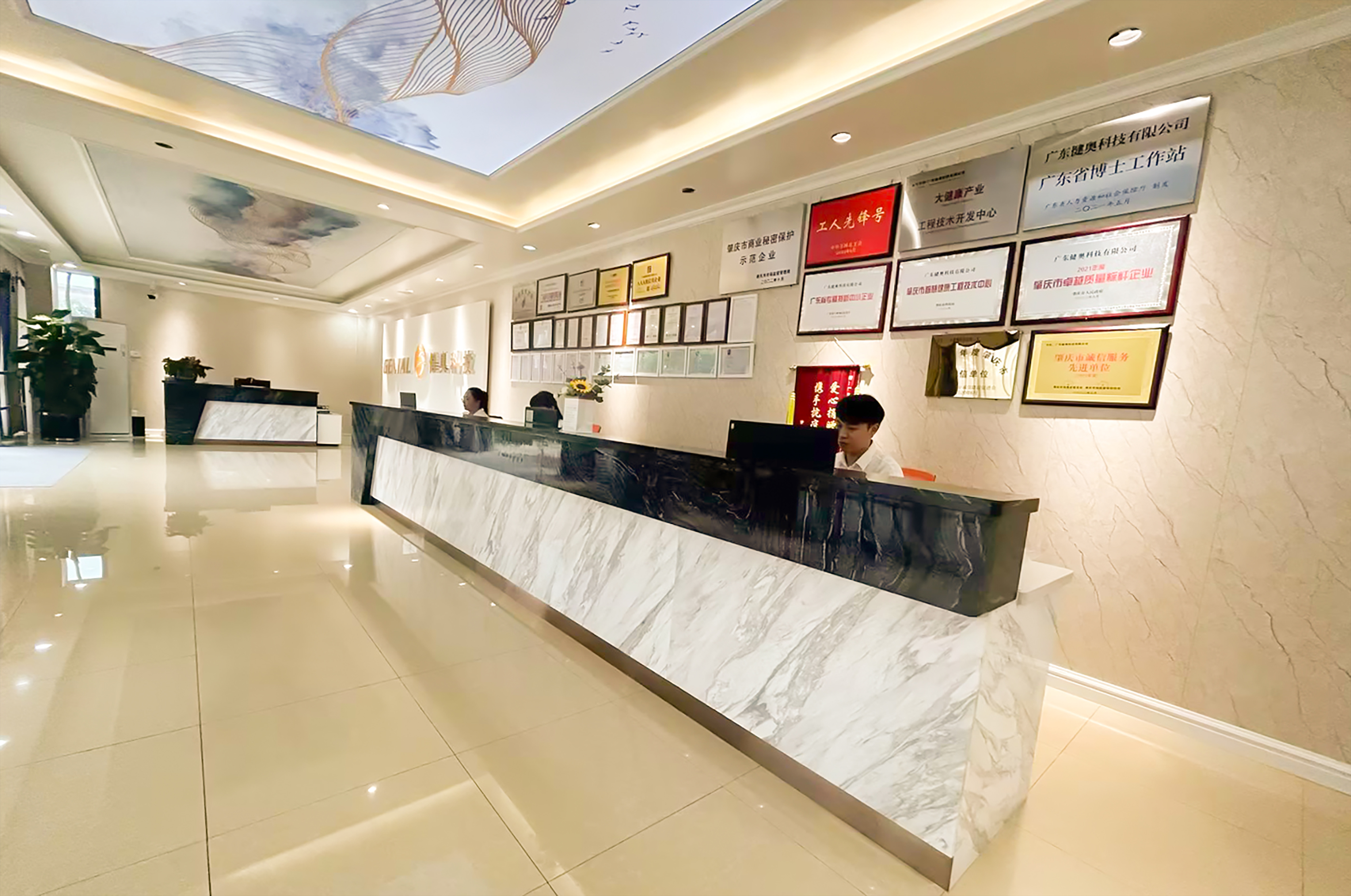
GENIAL welcomes buyers for sample evaluation, factory audits, and project discussions.
Download the GENIAL English brochure for the full product line, specifications, and compliance documentation:
GENIAL 2026 Product Brochure (PDF)
Contact: Gary | Email: market6@genial.cn | Tel/WhatsApp: +86 18938327866
Address: No.2710-2711, 27/F, Bldg B, Fengxing Plaza, No.242 Tianhe Road, Tianhe District, Guangzhou, China
Have Questions or Need More Details?
Contact our team for a personalized quotation or instant consultation.
Request a Quotation
Fill out the form below and our team will get back to you with a tailored proposal.
WhatsApp Direct Chat
Prefer to chat in real-time? Message us on WhatsApp for instant assistance & quick answers.
- Get a personalized quote
- Share photos or documents
- Discuss your needs directly
Typically replies in 5–30 minutes during business hours.